Maximizing Roi Comprehensive Guide To E Commerce Strategy In 2022
Updated: April 8, 2026
Maximizing ROI: Comprehensive Guide to E-commerce Strategy in 2022
In an increasingly digital marketplace, e-commerce has become a cornerstone of business strategy for companies worldwide. The year 2022 brings with it a plethora of opportunities and challenges in the e-commerce space. To stay competitive and maximize return on investment (ROI), businesses need to adopt a comprehensive and well-crafted e-commerce strategy. This guide delves into the critical components of a successful e-commerce strategy, offering insights into optimizing your digital presence, enhancing customer experience, and increasing conversions.
Understanding the E-commerce Landscape
The global e-commerce market has seen exponential growth, driven by technological advancements and changing consumer behaviors. Understanding this landscape is crucial for businesses aiming to enhance their online presence. According to Statista, global e-commerce sales are projected to reach $6.4 trillion by 2024. This growth is fueled by increasing internet penetration, mobile device usage, and consumer preference for online shopping.
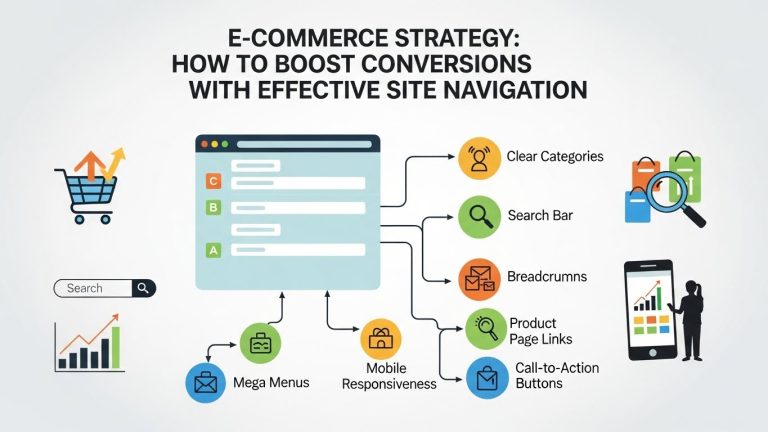
Businesses must adapt to these trends by ensuring their online stores are not only functional but also provide a seamless shopping experience. Key factors include user-friendly website design, mobile optimization, and fast loading times. Companies that prioritize these elements are more likely to capture and retain customers, ultimately improving their ROI.
Crafting a Customer-Centric Approach

At the heart of any successful e-commerce strategy is a customer-centric approach. Understanding and anticipating customer needs can significantly enhance customer satisfaction and loyalty. Start by developing detailed buyer personas to tailor your marketing and product offerings. This involves researching your target audience’s demographics, preferences, and purchasing behaviors.
Utilize analytics tools to gather data on customer interactions with your site. Analyzing this data can provide insights into customer behavior, allowing you to personalize the shopping experience. Implementing AI-driven recommendations and personalized email marketing can further engage customers, fostering a sense of connection with your brand.
Optimizing for Mobile Commerce
Mobile commerce, or m-commerce, is a significant driver of e-commerce growth. With smartphones becoming the primary device for internet access, businesses need to prioritize mobile optimization. Ensure your website is mobile-responsive and offers a smooth user experience across all devices.
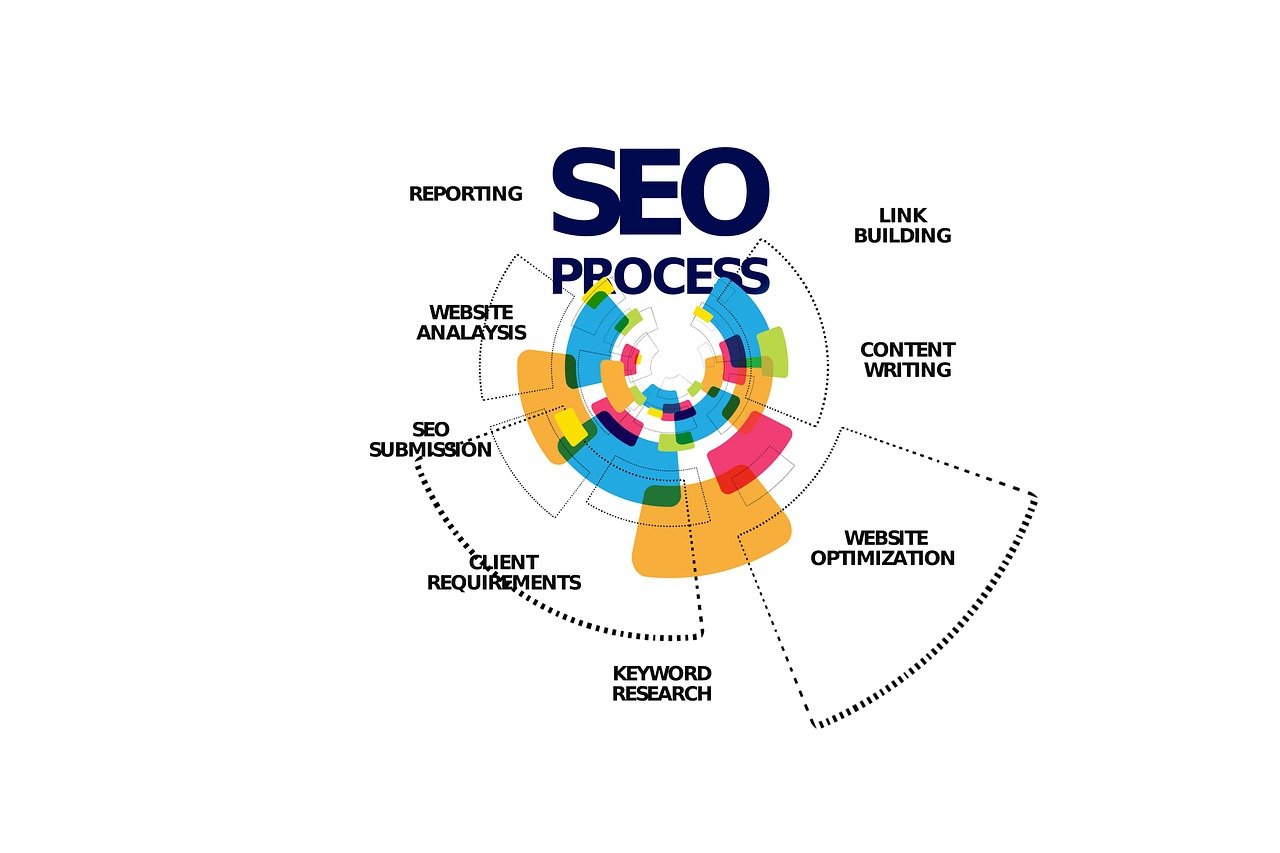
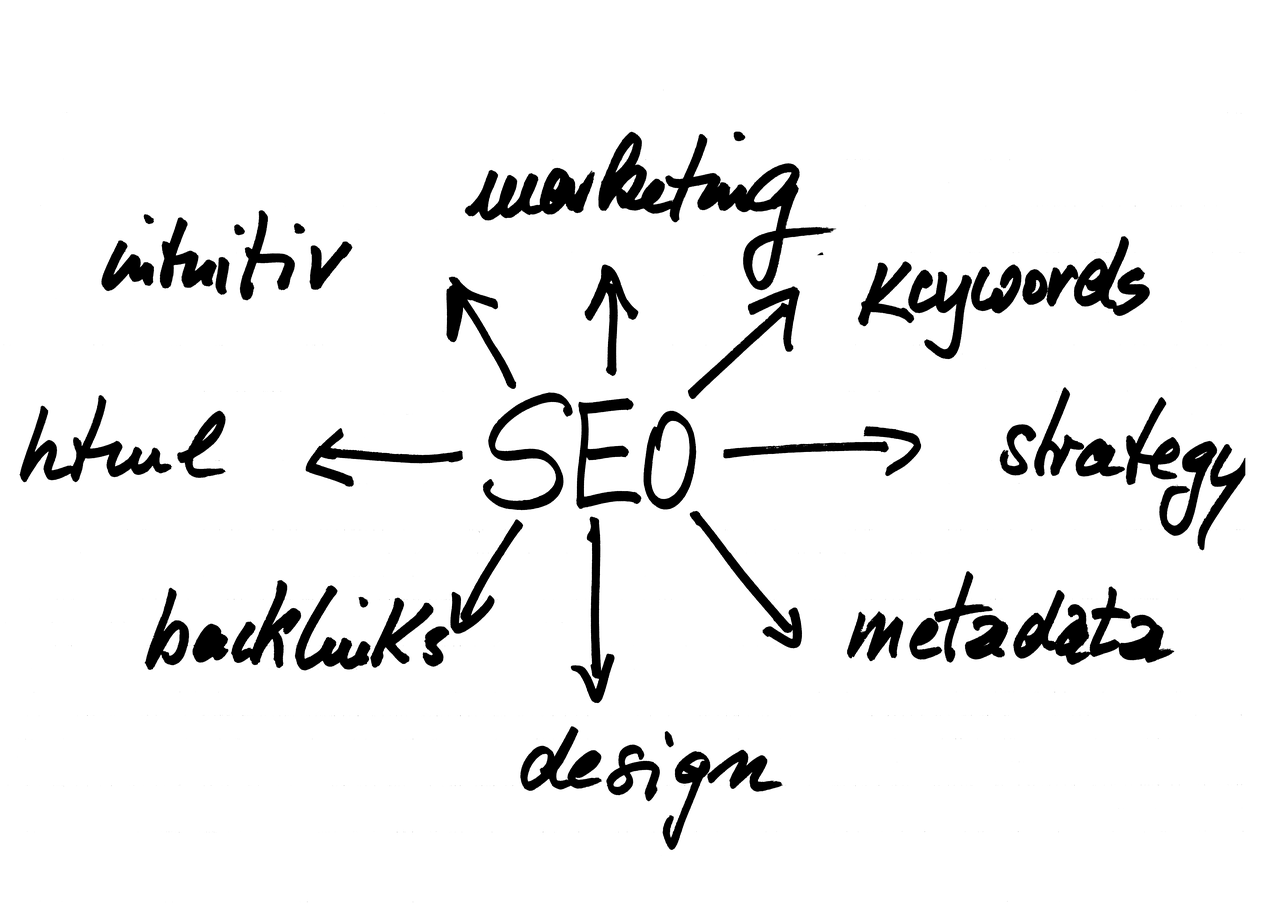
Studies show that mobile-friendly sites rank higher in search engine results, which can be a crucial factor in driving traffic. Additionally, mobile payment options should be secure and easy to use, as this can significantly impact conversion rates. Implementing mobile SEO strategies is essential for capturing this growing segment of online shoppers.
Leveraging Social Media and Influencer Marketing
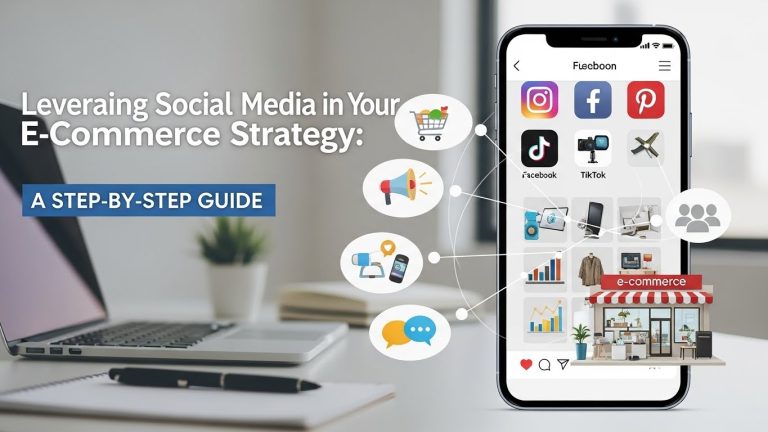
Social media platforms are powerful tools for driving e-commerce sales. They offer businesses the opportunity to connect with customers, build brand awareness, and drive traffic to their online stores. Platforms like Instagram and Facebook provide features such as shoppable posts and targeted ads, which can be leveraged to reach specific audiences.
Influencer marketing is another effective strategy for enhancing brand credibility and expanding reach. Partnering with influencers who align with your brand values can result in authentic promotion and greater audience engagement. Ensure that influencer partnerships are transparent and that you measure the impact on sales and brand awareness.
Enhancing Customer Experience with AI and Chatbots
The integration of artificial intelligence (AI) into e-commerce platforms is transforming the customer experience. AI-powered chatbots can provide 24/7 customer support, answer frequently asked questions, and guide users through the purchasing process. This not only improves customer satisfaction but also frees up resources for more complex queries.
Furthermore, AI can be used to analyze customer data, offering insights into shopping habits and preferences. This data can drive personalized marketing campaigns, product recommendations, and dynamic pricing strategies, all of which contribute to increased sales and ROI.
Implementing Secure and Efficient Payment Systems
Security is paramount in e-commerce, particularly concerning payment systems. Consumers need assurance that their financial information is protected. Implementing secure payment gateways and offering multiple payment options can reduce cart abandonment and increase conversion rates.
Payment systems should also prioritize efficiency. Fast and straightforward checkout processes enhance the shopping experience and encourage repeat purchases. Consider integrating digital wallets like Apple Pay or Google Pay, which offer both security and convenience for users.
Utilizing Data Analytics for Informed Decision-Making
Data analytics plays a crucial role in shaping e-commerce strategies. By leveraging data, businesses can make informed decisions regarding product offerings, marketing tactics, and customer service improvements. Tools like Google Analytics provide insights into website traffic, user behavior, and sales trends.

Regularly reviewing these metrics can help identify areas for improvement and highlight successful strategies. Data-driven decision-making ensures that your e-commerce strategy remains agile and responsive to market changes, ultimately maximizing ROI.
Building a Robust Supply Chain and Logistics Network
A reliable supply chain and logistics network are vital for timely product delivery and customer satisfaction. Investing in a robust logistics infrastructure can reduce shipping times and costs, enhancing your competitive edge.
Consider partnerships with third-party logistics providers to streamline operations and offer options like same-day delivery or buy online, pick up in-store (BOPIS). Efficient inventory management systems can also prevent stockouts and overstock situations, ensuring a smooth order fulfillment process.
Takeaways
Maximizing ROI in e-commerce requires a multifaceted strategy that encompasses customer experience, technology integration, and data-driven insights. By understanding the e-commerce landscape and implementing a customer-centric approach, businesses can optimize their operations and drive growth in 2022. Emphasizing mobile commerce, leveraging social media, and ensuring secure payment systems are critical components of a successful strategy. As the digital marketplace continues to evolve, staying informed and adaptable will be key to achieving sustained success.
Adapting to Regulatory Changes and Privacy Concerns
The e-commerce sector is subject to various regulations and privacy laws that differ across regions. Staying compliant with these regulations is crucial to avoid penalties and maintain customer trust. In 2022, data privacy and protection have become top priorities for consumers and regulators alike.

Implementing GDPR-compliant measures, such as clear privacy policies and consent management tools, can help businesses navigate these challenges. Keeping abreast of changes in e-commerce laws, like those related to consumer rights and digital services, ensures that your business remains compliant and trustworthy.
Fostering Sustainability in E-commerce
Sustainability is increasingly influencing consumer choices, with more shoppers opting for brands that demonstrate environmental responsibility. E-commerce businesses can capitalize on this trend by integrating sustainable practices into their operations. This includes sourcing eco-friendly products, utilizing recyclable packaging, and optimizing logistics to reduce carbon footprints.
Communicate your sustainability efforts transparently through your website and marketing materials. Highlighting these practices can differentiate your brand and attract environmentally conscious consumers. Moreover, fostering sustainability can lead to long-term cost savings and operational efficiencies.
Investing in Technology and Innovation
Technology and innovation are at the forefront of e-commerce success. Investing in the right technologies can streamline operations, enhance customer experiences, and drive growth. Consider implementing advanced customer relationship management (CRM) systems to manage interactions and data effectively.
Explore the potential of emerging technologies like augmented reality (AR) to create immersive shopping experiences. AR can allow customers to visualize products in their environment, reducing return rates and increasing buyer confidence. Staying ahead of technological trends positions your business as an industry leader and can lead to substantial ROI improvements.
Developing a Resilient Business Model

The unpredictability of the global market necessitates a resilient business model capable of withstanding disruptions. Diversifying product offerings and sales channels can mitigate risks associated with market fluctuations. Consider expanding into new markets or introducing subscription services to ensure a steady revenue stream.
Building strong relationships with suppliers and partners can also enhance resilience. Collaborative efforts can lead to innovative solutions and shared resources, strengthening your business’s ability to adapt to change. A resilient business model not only safeguards against potential downturns but also capitalizes on new opportunities as they arise.
The Role of Customer Feedback in Strategy Refinement
Customer feedback is a valuable asset when refining your e-commerce strategy. Actively seeking and analyzing feedback can identify pain points and areas for improvement. Utilize surveys, reviews, and feedback forms to gather customer insights.
Implement a feedback loop where customer suggestions are reviewed and acted upon. Demonstrating responsiveness to feedback can enhance customer loyalty and satisfaction. Regularly updating your strategy based on customer input ensures that your business remains aligned with consumer expectations and market demands.
Takeaways
In conclusion, maximizing ROI in e-commerce requires a dynamic and comprehensive strategy that adapts to market changes and consumer preferences. By focusing on customer-centric approaches, embracing technology and innovation, and ensuring compliance with regulations, businesses can thrive in the digital marketplace. Sustainability and resilience further enhance your brand’s reputation and operational efficiency, paving the way for long-term success.
As the e-commerce landscape continues to evolve, staying informed and proactive in strategy development will be paramount. By leveraging data, technology, and customer insights, your business can achieve sustained growth and a competitive edge in 2022 and beyond.