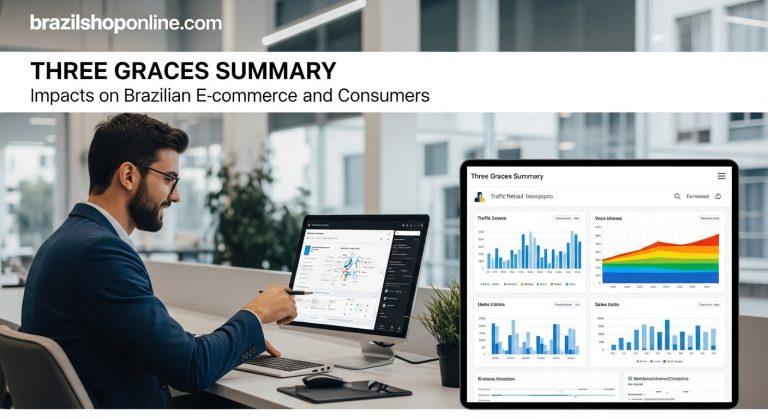
Celesc and Digital Payments reshaping Brazil’s E-commerce
Updated: April 8, 2026
E-commerce Strategy: How to Boost Conversions with Effective Site Navigation
In the rapidly evolving world of e-commerce, providing a seamless user experience is crucial to boosting conversions. One of the most overlooked yet impactful elements of this experience is site navigation. Effective navigation acts as a roadmap, guiding customers effortlessly through your online store. In this blog post, we will delve deep into strategies to enhance your e-commerce site’s navigation, resulting in higher conversion rates and improved customer satisfaction.
Understanding the Importance of Site Navigation
Site navigation is the backbone of any e-commerce website. It serves several critical functions, from helping users find products quickly to supporting search engine optimization (SEO). A well-structured navigation system can significantly reduce the time users spend searching for products, thus improving the overall shopping experience and increasing the likelihood of conversion.
With global e-commerce sales expected to reach $6.54 trillion by 2023, optimizing your site navigation is more important than ever. As competition grows, ensuring that your customers have a pleasant and efficient browsing experience can set you apart in the crowded digital marketplace.
Key Elements of Effective Site Navigation
1. Simplicity and Clarity

The foundation of effective site navigation is simplicity and clarity. Users should be able to find what they are looking for with minimal clicks. Avoid clutter by limiting the number of menu items and using clear, descriptive labels. For example, using “Men’s Clothing” instead of just “Men” provides users with a clearer idea of what they will find in that section.
Moreover, consider using a top navigation bar for primary categories and a side menu for subcategories, ensuring that users can easily access different parts of your site without feeling overwhelmed.
2. Consistent Layout
Consistency in navigation layout is essential for user experience. Use the same menu structure and design elements across all pages to avoid confusion. A consistent navigation system helps users predict where to find information, making their shopping journey smoother and more intuitive.
3. Search Functionality
Integrating a robust search functionality is crucial for sites with extensive product catalogs. A search bar that is prominently placed and easy to use can assist users in finding specific products quickly. Enhance the search experience by incorporating filters and auto-suggestions, which can further refine search results and guide users to their desired products.
Advanced Navigation Techniques
1. Mega Menus
For e-commerce sites with a wide range of products, mega menus can be highly effective. These are large dropdown menus that display all options in one view, allowing users to see the full breadth of offerings without having to click multiple times. This type of navigation is particularly useful for sites like Amazon, where product categories are extensive and diverse.
2. Breadcrumbs
Breadcrumbs provide a secondary navigation aid that shows users their location within the site hierarchy. This feature is beneficial for both users and SEO, as it reduces the number of actions a user needs to take to navigate back to previous pages and ensures search engines understand your site’s structure.

3. Mobile-Friendly Design
With more consumers shopping on mobile devices, ensuring your navigation is mobile-friendly is crucial. Responsive design practices, such as collapsible menus and touch-friendly buttons, can enhance the mobile shopping experience. Mobile users should have the same ease of navigation as desktop users, enabling them to find products and information with minimal scrolling and tapping.
Testing and Improving Site Navigation
Continuous testing and improvement of site navigation are vital for maintaining a high conversion rate. Utilize tools like A/B testing to evaluate changes in navigation design and layout. Analyze metrics such as bounce rate, time on site, and conversion rates to determine the effectiveness of your navigation strategies.
Gathering user feedback is another valuable method for improving site navigation. Conduct usability tests and surveys to gain insights into how users interact with your site and identify potential pain points. Implementing feedback-driven changes can lead to a more user-centric navigation system, ultimately boosting conversions.
Takeaways
Effective site navigation is a critical component of a successful e-commerce strategy. By focusing on simplicity, consistency, and advanced navigation techniques, you can create a seamless shopping experience that guides users effortlessly through your site. As the e-commerce landscape becomes increasingly competitive, optimizing your site’s navigation can significantly impact your conversion rates and overall business success.

Remember, the key to effective navigation lies in understanding your audience and continuously adapting to their evolving needs. By prioritizing user experience and leveraging innovative navigation solutions, you can create a compelling, conversion-friendly e-commerce environment that stands out in the digital marketplace.
Leveraging Analytics for Navigation Optimization
Incorporating data analytics into your navigation strategy can offer deep insights into user behavior, helping you fine-tune your site’s navigation. By analyzing metrics such as click-through rates, session duration, and user paths, you can identify which navigation elements are performing well and which need improvement.
Use tools like Google Analytics to track these metrics and develop a comprehensive understanding of how users interact with your navigation elements. This data can help you make informed decisions about restructuring menu items or introducing new navigation features to enhance user experience.
1. Heatmaps
Heatmaps are a valuable tool for visualizing user interaction on your website. They show you where users are clicking, how far they scroll, and what elements attract the most attention. By using heatmaps, you can identify underutilized navigation elements or areas where users are frequently dropping off.
For instance, if a heatmap reveals that users are not engaging with a particular menu item, it might indicate that the item is not relevant or visible enough. Adjusting its position or renaming it to something more intuitive could help improve engagement.
2. User Testing
Conducting user testing sessions can provide qualitative insights that analytics alone might miss. Engage real users in navigating through your site and observe their interactions. Ask them to perform specific tasks, such as finding a particular product or completing a purchase, to identify any navigation hurdles they encounter.
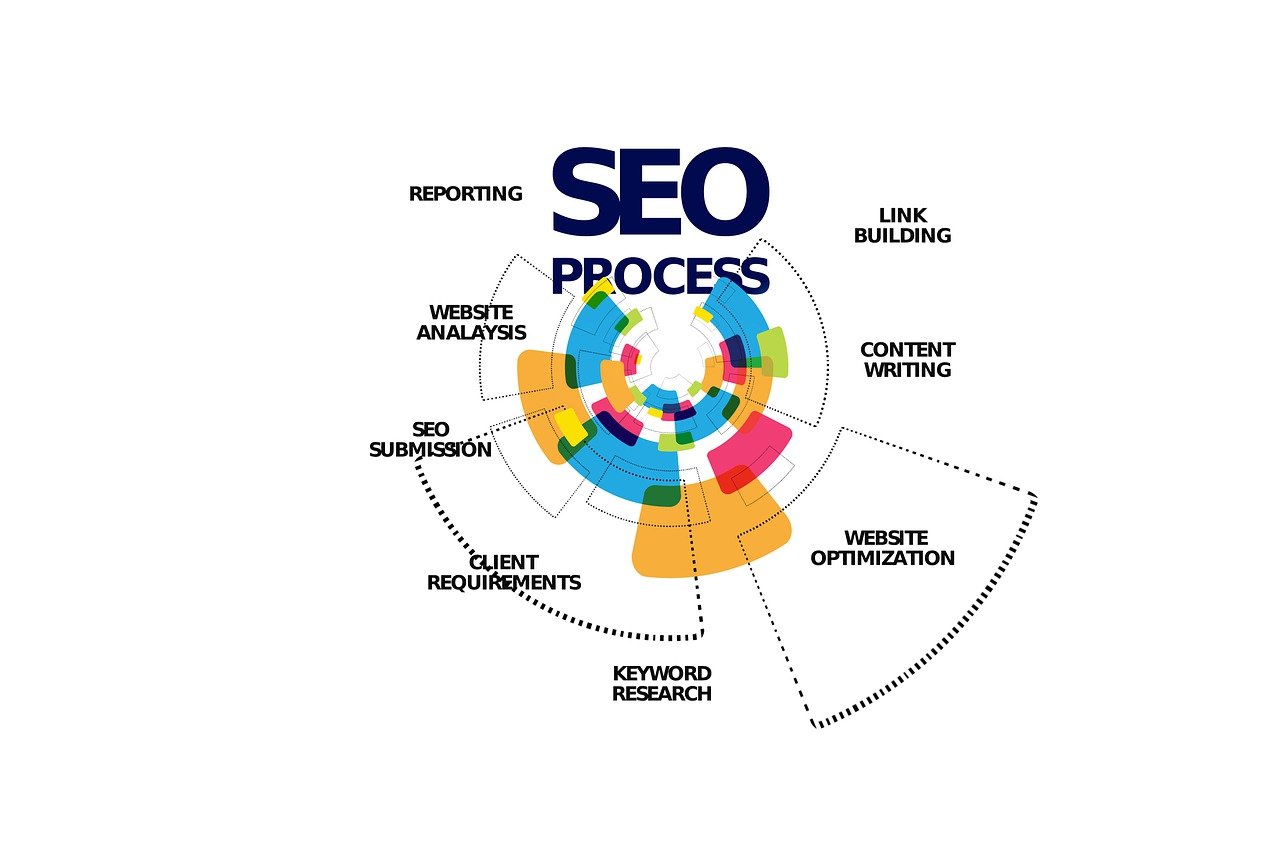
User testing can reveal issues like confusing menu labels or difficult-to-find search functionality, allowing you to make targeted improvements to your navigation system.
Incorporating User Feedback
Direct feedback from users can be invaluable for optimizing site navigation. Implement feedback mechanisms such as surveys, feedback forms, or live chat options to gather insights directly from your customers. Understanding their frustrations and suggestions can guide you in making user-centric improvements to your site.
For example, if multiple users suggest that a particular category is hard to find, consider adjusting its placement or visibility within your navigation structure. Acknowledging and acting on user feedback not only improves navigation but also demonstrates your commitment to providing an excellent user experience.
Future Trends in E-commerce Site Navigation
The future of e-commerce site navigation will likely be shaped by emerging technologies and evolving consumer expectations. Here are some trends to watch out for:
1. Voice Search Optimization
With the rise of voice-activated devices, optimizing your site for voice search is becoming increasingly important. Streamline your navigation and content to cater to natural language queries, making it easier for voice assistant users to find what they need on your site.
Consider how voice search could influence the way users interact with your site and adapt your navigation strategy accordingly. This could involve simplifying menu structures or enhancing search functionality to better accommodate spoken queries.
2. AI-Powered Personalization
Artificial intelligence (AI) holds the potential to revolutionize e-commerce site navigation by offering personalized user experiences. Utilizing AI, you can tailor navigation elements based on individual user preferences and behaviors, presenting them with relevant products and content.
For example, AI-driven recommendation engines can suggest products based on previous interactions, allowing users to navigate through personalized product suggestions seamlessly. This level of personalization can significantly enhance user satisfaction and conversion rates.
3. Augmented Reality (AR) Integration
Augmented reality is gaining traction in e-commerce, providing immersive shopping experiences. Integrating AR into your navigation strategy could allow users to visualize products in their environment or explore interactive product displays.
As AR technology becomes more accessible, consider how it can be integrated into your navigation system to offer users a unique and engaging shopping experience.
Takeaways
Optimizing site navigation is a continuous process that requires attention to detail and a commitment to enhancing user experience. By leveraging data analytics, incorporating user feedback, and staying abreast of emerging trends, you can create a navigation system that not only improves conversions but also sets your e-commerce site apart from the competition.
Remember, effective navigation is more than just a functional element—it’s a strategic asset that can drive business growth. By prioritizing user-centric design and innovation, you can ensure that your e-commerce site remains competitive in the ever-evolving digital landscape.