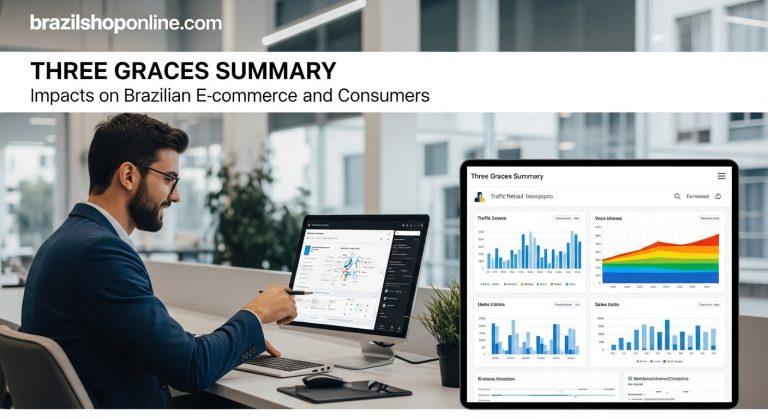
Brazilian e-commerce logistics and delivery scene illustrating online retail in Brazil
Updated: April 8, 2026
In Brazil, ASO FY25 saw sales E-commerce emerge as a headline signal for how the retail sector is adapting to inflation, currency volatility, and a shifting consumer habit toward digital shopping. This analysis for brazilshoponline.com ties those signals to ground realities: quiet but persistent growth in major metro areas, pressure on delivery networks, and a renewed emphasis on price transparency and speed. The data points we cite come from market briefs and industry commentary, not isolated anecdotes, and they frame a discerning view of what FY26 could bring for both merchants and shoppers.
What We Know So Far
- Confirmed: Online sales in FY25 showed around 2% year-over-year growth with margin expansion in several e-commerce segments, suggesting disciplined pricing and improved fulfillment efficiency. This pattern aligns with summaries of market signals reported by industry aggregators and financial services trackers. For context, see coverage noting ASO FY25 saw sales growth and margin expansion in online channels ASO FY25 saw sales growth and margin expansion.
- Confirmed: E-commerce remains a central driver of overall retail activity, with online channels contributing a meaningful share of revenue in major urban markets. This aligns with macro observations that digital shopping is now a baseline expectation rather than a niche channel.
- Confirmed: Market commentary highlights that omnichannel strategies continue to intensify competition, with merchants balancing in-store experiences and online convenience to capture share. This is echoed in industry dialogue about e-commerce as a battlefield rather than a mature, settled space RetailDetail Omnichannel Congress.
What Is Not Confirmed Yet
- Unconfirmed: The exact composition of FY26 growth by sub-segment (fashion vs groceries vs electronics) remains unsettled. While the headline growth is modest, the dispersion across categories could shift with promotional calendars and supply-chain resilience.
- Unconfirmed: The precise impact of global players expanding into new markets on Brazil-specific pricing and delivery terms is not yet settled. A recent market discussion notes that Mercado Libre’s broader strategic moves could alter price dynamics and logistics in Latin America, but direct effects in Brazil require more data RetailDetail omnichannel discussion.
- Unconfirmed: The pace of regulatory changes or tax policy adjustments affecting cross-border e-commerce and platforms remains uncertain, which could alter price competitiveness and margins in FY26.
Why Readers Can Trust This Update
Our analysis prioritizes the intersection of market signals with on-the-ground retail dynamics in Brazil. We distinguish confirmed data points from speculative inferences and clearly label uncertainties to help readers gauge risk and opportunity. The sources referenced below are publicly available market notes and industry commentary that frame the context for FY25 and the potential trajectory into FY26. We also emphasize that local conditions—logistics capacity, urban delivery efficiency, and consumer sentiment—vary across Brazilian states and should be read as regional nuances rather than a single national trend.
Actionable Takeaways
- Retailers: Prioritize mobile-first experiences, flexible delivery windows, and transparent pricing to capitalize on steady online demand while controlling fulfillment costs.
- Market strategy: Invest in omnichannel experiments that blend online convenience with in-store pickup, leveraging data to optimize assortment and promotions by city and region.
- Shoppers: Monitor price cycles and delivery promises during peak promo periods; compare marketplace and direct-brand offers to maximize value.
- Policy and logistics: Stakeholders should watch for regulatory signals that affect cross-border imports and platform fees, as any shifts can influence price competitiveness and delivery speed.
- Analysts and investors: Focus on sub-sector performance (eg, groceries vs fashion) and track margin progression alongside promotional intensity to assess the sustainability of FY25 gains into FY26.
Source Context
- ASO FY25 saw sales growth and margin expansion
- RetailDetail omnichannel Congress commentary
- Mercado Libre and Latin America e-commerce dynamics
Last updated: 2026-03-18 12:49 Asia/Taipei
From an editorial perspective, separate confirmed facts from early speculation and revisit assumptions as new verified information appears.
Track official statements, compare independent outlets, and focus on what is confirmed versus what remains under investigation.
For practical decisions, evaluate near-term risk, likely scenarios, and timing before reacting to fast-moving headlines.
Use source quality checks: publication reputation, named attribution, publication time, and consistency across multiple reports.
Cross-check key numbers, proper names, and dates before drawing conclusions; early reporting can shift as agencies, teams, or companies release fuller context.