Payroll Trends in Brazil E-commerce: A Deep Analysis
Updated: April 8, 2026
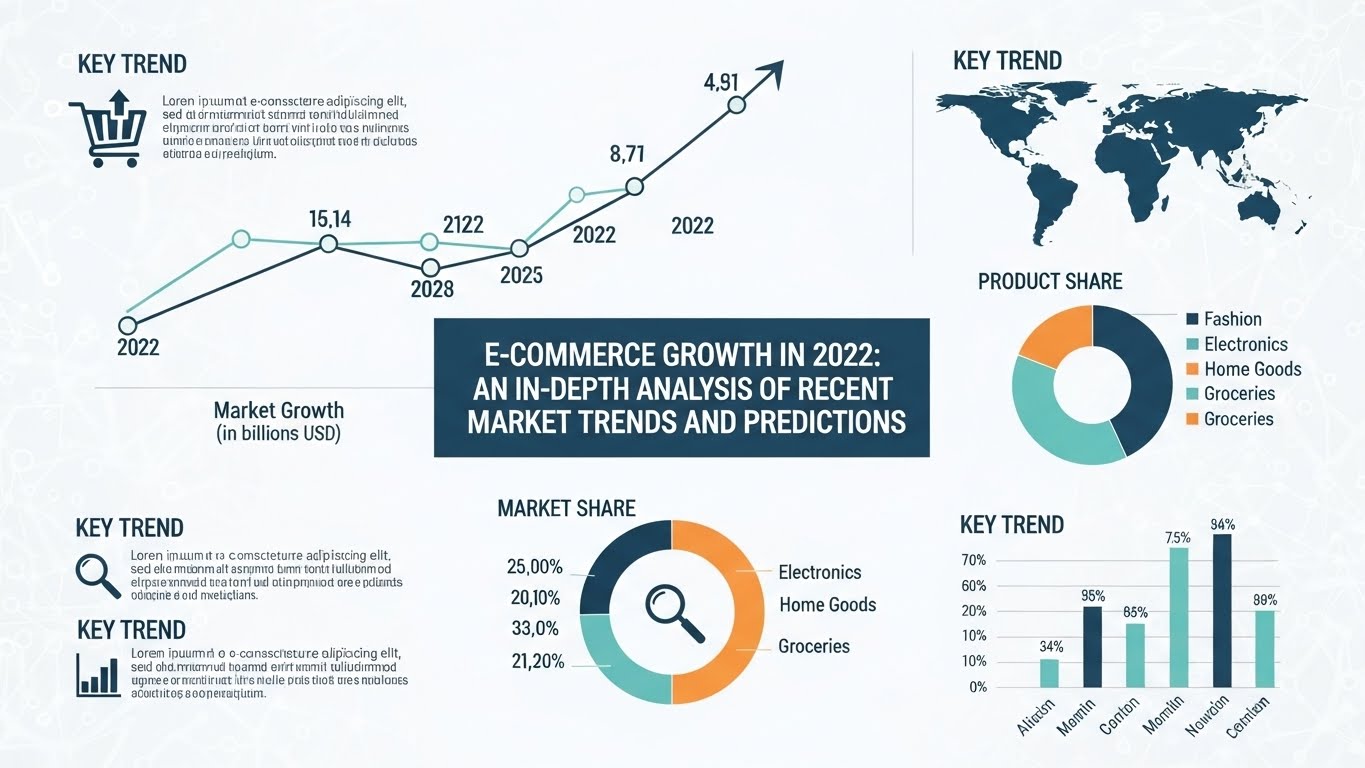
E-commerce Growth in 2022: An In-Depth Analysis of Recent Market Trends and Predictions
The e-commerce landscape has been undergoing a dynamic transformation over the past few years. In 2022, this shift is more pronounced than ever as digital shopping becomes an integral part of consumer habits worldwide. This blog post delves into the growth of e-commerce in 2022, analyzing recent market trends and predictions that are shaping the future of online retail.
Introduction to E-commerce Growth in 2022
The global e-commerce market has seen unprecedented growth due to a combination of technological advancements, changing consumer preferences, and the impact of the COVID-19 pandemic. As businesses and consumers adapt to a digital-first world, the e-commerce sector is poised to reach new heights. According to recent data, global e-commerce sales are expected to hit over $5 trillion in 2022, showcasing a robust upward trajectory.
Key Market Trends Driving E-commerce Growth
1. Mobile Commerce
Mobile commerce, or m-commerce, is a significant driver of e-commerce growth. With the increasing prevalence of smartphones, consumers are making purchases directly from their mobile devices. In 2022, it is estimated that m-commerce will account for over 70% of all e-commerce sales. Retailers are thus investing heavily in optimizing their mobile platforms to enhance user experience and capture a larger share of the market.
2. Social Commerce
Another trend reshaping the e-commerce landscape is social commerce. Platforms like Instagram, Facebook, and Pinterest are integrating shopping features, allowing users to purchase products directly from their feeds. This seamless integration of social media and e-commerce not only boosts sales but also enhances brand visibility. Social commerce is particularly popular among younger demographics, who are more inclined to shop through social media channels.
3. Voice Commerce
Voice-activated devices such as Amazon’s Alexa and Google Home are gaining traction in the e-commerce space. Voice commerce allows users to make purchases using voice commands, providing a hands-free shopping experience. Although still in its nascent stage, voice commerce is predicted to grow significantly as technology improves and becomes more integrated into daily life.

Technological Innovations Impacting E-commerce
1. Augmented Reality
Augmented reality (AR) is revolutionizing the way consumers interact with online products. Retailers are using AR to provide virtual try-ons and 3D product views, enhancing the shopping experience. This technology helps bridge the gap between physical and online shopping, providing a more immersive and informed purchasing process.
2. Artificial Intelligence and Machine Learning
Artificial intelligence (AI) and machine learning are being leveraged to personalize the shopping experience. From chatbots providing customer service to AI-driven product recommendations, these technologies help retailers understand consumer preferences and tailor their offerings accordingly. AI is also used in inventory management and demand forecasting, optimizing operations across the supply chain.
Challenges Facing E-commerce in 2022
Despite its rapid growth, the e-commerce industry faces several challenges that need to be addressed. Supply chain disruptions, cybersecurity threats, and regulatory changes are some of the key issues that retailers must navigate.
1. Supply Chain Disruptions
The global logistics network has been under immense pressure due to the pandemic, leading to significant supply chain disruptions. Retailers are investing in more resilient supply chain strategies, including diversifying suppliers and increasing inventory levels, to mitigate these challenges.
2. Cybersecurity Concerns
With the increase in online transactions, cybersecurity has become a critical concern. E-commerce platforms are prime targets for cyberattacks, which can compromise sensitive customer information. Retailers are enhancing their cybersecurity measures, implementing advanced encryption technologies, and educating consumers about safe online practices.
3. Regulatory Changes
The e-commerce sector is subject to a complex web of regulations, which are continually evolving. Compliance with data protection laws, such as the GDPR, and taxation policies pose significant challenges for online retailers. Staying abreast of these changes is crucial to avoid legal pitfalls and maintain consumer trust.
Predictions for the Future of E-commerce
Looking ahead, the future of e-commerce is bright with several exciting developments on the horizon. As technology continues to evolve, the shopping experience will become more personalized, efficient, and enjoyable for consumers.

1. Rise of Omnichannel Retailing
Omnichannel retailing, which integrates various shopping channels into a cohesive experience, is expected to gain momentum. Consumers will have the flexibility to switch between online and offline shopping seamlessly, with consistent service and product availability across all platforms.
2. Sustainable Shopping Practices
Sustainability is becoming a key consideration for consumers, influencing their purchasing decisions. E-commerce retailers are responding by adopting eco-friendly practices, such as reducing packaging waste and offering carbon-neutral delivery options. This trend is likely to grow as consumers increasingly prioritize environmental responsibility.
3. Expansion of Global E-commerce Markets
The e-commerce market is expanding beyond traditional strongholds like the United States and Europe. Emerging markets in Asia, Africa, and Latin America are witnessing rapid growth, driven by increasing internet penetration and a burgeoning middle class. Retailers are exploring these new markets to tap into a vast pool of potential customers.
Takeaways
The e-commerce industry in 2022 is characterized by immense growth and transformation, driven by technological advancements and changing consumer behaviors. As retailers navigate the challenges and opportunities in this dynamic landscape, they must remain agile and innovative to succeed. With a focus on enhancing customer experience, embracing new technologies, and expanding into untapped markets, the future of e-commerce looks promising and exciting.
Adapting to Consumer Expectations in the Digital Age
1. Enhancing User Experience
In the competitive e-commerce landscape, user experience is a critical differentiator. Retailers are focusing on streamlining their website interfaces, improving load times, and offering intuitive navigation to enhance the shopping journey. Personalized experiences, driven by data analytics, are becoming standard, with customized product suggestions and targeted marketing campaigns enhancing consumer engagement.
2. Flexible Payment Options
Offering a variety of payment options is crucial to cater to diverse consumer preferences. In addition to traditional credit and debit card payments, digital wallets such as PayPal, Apple Pay, and Google Pay are gaining popularity. The rise of buy-now-pay-later (BNPL) services is also noteworthy, providing consumers with the flexibility to spread payments over time, which can boost conversion rates and average order values.

3. Fast and Reliable Delivery
Delivery speed and reliability are paramount in meeting consumer expectations. Companies like Amazon have set high standards with their Prime service, offering same-day or next-day delivery. Retailers are investing in logistics and infrastructure to expedite shipping times and enhance the overall delivery experience, including options for real-time tracking and flexible delivery schedules.
Leveraging Data to Drive Strategic Decisions
Data analytics plays a pivotal role in e-commerce, enabling retailers to make informed decisions and optimize their operations. By analyzing consumer behavior, purchase patterns, and market trends, businesses can tailor their strategies to meet evolving demands.
1. Predictive Analytics
Predictive analytics is transforming the way retailers forecast demand and manage inventory. By leveraging historical data and machine learning algorithms, businesses can anticipate future sales trends, optimize stock levels, and reduce the risk of overstocking or stockouts.
2. Customer Segmentation
Segmenting customers based on various parameters such as demographics, purchase history, and preferences allows retailers to personalize marketing efforts and enhance customer retention. By targeting specific segments with tailored promotions and content, businesses can improve conversion rates and foster brand loyalty.
The Role of Sustainability in E-commerce
As awareness of environmental issues grows, sustainability has become a significant focus for both consumers and businesses. E-commerce retailers are adopting sustainable practices to reduce their ecological footprint and appeal to environmentally conscious shoppers.
1. Eco-Friendly Packaging
Reducing packaging waste is a priority for many e-commerce businesses. Companies are exploring sustainable packaging solutions such as biodegradable materials, recyclable packaging, and minimalistic designs to reduce environmental impact. Educating consumers on proper disposal and recycling practices is also an important component of these initiatives.
2. Ethical Sourcing and Production
Retailers are increasingly prioritizing ethical sourcing and production practices. This includes ensuring fair labor conditions, reducing carbon emissions in manufacturing processes, and supporting sustainable supply chains. Transparency in these efforts can enhance brand reputation and build consumer trust.

Takeaways
The e-commerce industry is poised for continued growth and transformation in 2022 and beyond. By embracing technological innovations, adapting to consumer expectations, and prioritizing sustainability, retailers can navigate the challenges and seize the opportunities that lie ahead. Staying ahead of these trends will be key to maintaining a competitive edge in the rapidly evolving digital marketplace.
Strategies for Small and Medium-Sized Enterprises (SMEs)
As the e-commerce landscape continues to evolve, small and medium-sized enterprises (SMEs) face unique challenges and opportunities. These businesses must leverage their agility and niche expertise to compete with larger players.
1. Niche Market Focus
SMEs often find success by focusing on niche markets that are overlooked by larger competitors. By catering to specific customer needs and preferences, these businesses can build a loyal customer base and differentiate themselves from the competition. Understanding and targeting niche audiences can lead to higher engagement and conversion rates.
2. Building a Strong Brand Identity
Developing a strong brand identity is crucial for SMEs to stand out in a crowded market. Consistent branding across all touchpoints, including website design, packaging, and customer service, helps build trust and recognition. Storytelling and authenticity in brand messaging can also resonate with consumers and strengthen brand loyalty.
3. Leveraging Social Media and Influencer Marketing
Social media platforms offer SMEs an affordable and effective way to reach and engage with their target audience. By utilizing platforms like Instagram, Facebook, and TikTok, businesses can showcase their products, interact with customers, and build brand awareness. Collaborating with influencers who align with the brand’s values can further amplify reach and credibility.
The Importance of Customer Retention and Loyalty
While acquiring new customers is essential, retaining existing ones is equally important for sustainable growth. E-commerce businesses are implementing strategies to enhance customer retention and foster long-term loyalty.
1. Loyalty Programs
Loyalty programs incentivize repeat purchases by rewarding customers with points, discounts, or exclusive offers. By providing tangible benefits, these programs encourage customers to return and make additional purchases, ultimately increasing customer lifetime value.
2. Exceptional Customer Service

Providing exceptional customer service is a key component of customer retention. Prompt and helpful responses to inquiries, hassle-free returns, and personalized assistance can significantly enhance the shopping experience. Companies like Zappos have built their reputation on outstanding customer service, leading to high levels of customer satisfaction and loyalty.
3. Personalization
Personalized experiences make customers feel valued and understood. By leveraging data insights to offer tailored product recommendations, personalized emails, and targeted promotions, businesses can create a more engaging shopping experience that resonates with individual customers.
Global Expansion Opportunities
As e-commerce continues to break down geographical barriers, businesses are exploring opportunities to expand into international markets. With careful planning and execution, global expansion can unlock significant growth potential.
1. Understanding Local Markets
Successful global expansion requires a deep understanding of local markets, including cultural preferences, purchasing behaviors, and regulatory requirements. Tailoring marketing strategies and product offerings to align with local tastes and preferences is essential for success. Partnering with local experts or agencies can provide valuable insights and support.
2. Optimizing for Cross-Border Shopping
Cross-border shopping is becoming increasingly popular, with consumers seeking unique products from around the world. E-commerce businesses must optimize their websites for international customers by offering multi-language support, displaying prices in local currencies, and providing clear information on shipping and customs duties.
3. Leveraging Global E-commerce Platforms
Platforms such as Alibaba and Amazon provide opportunities for businesses to reach a global audience. By listing products on these platforms, businesses can tap into established customer bases and benefit from logistical support. However, it’s important to carefully consider platform fees and competition when developing a global strategy.
Takeaways
The e-commerce industry in 2022 is marked by rapid growth, technological advancements, and evolving consumer expectations. By staying attuned to market trends, prioritizing customer experience, and embracing innovation, businesses can thrive in this dynamic landscape. Whether through focusing on niche markets, expanding globally, or enhancing customer retention efforts, e-commerce retailers have numerous opportunities to achieve sustained success. As the digital marketplace continues to evolve, the businesses that remain flexible and forward-thinking will be best positioned to capitalize on the exciting opportunities that lie ahead.