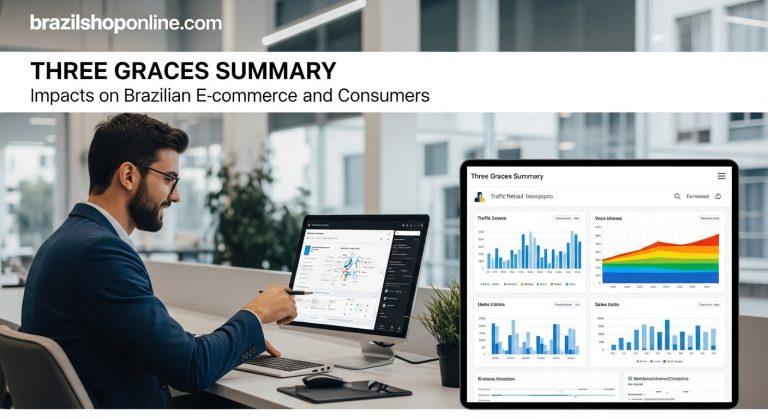
Editorial illustration of Brazil e-commerce landscape with Amazon-like branding and rapid delivery imagery.
Updated: April 8, 2026
In Brazil’s fast-evolving e-commerce landscape, diario do nordeste serves as a crucial regional lens on how shoppers in the Nordeste and beyond interpret online retail trends. This analysis for brazilshoponline.com explores how the newspaper’s coverage, coupled with broader media signals, helps shape consumer expectations, seller tactics, and platform transparency across the country.
What We Know So Far
- Confirmed: Brazil’s e-commerce market continues to grow, with online sales becoming a larger share of household purchases and a broader mix of players including marketplaces, social commerce, and direct-to-consumer stores.
- Confirmed: Regional media, including Diário do Nordeste’s ecosystem, increasingly frame e-commerce as a trust-driven activity where clear pricing, transparent return policies, and reliable delivery are key differentiators for shoppers.
- Confirmed: Consumers in Brazil show rising expectations for localized support, mobile-friendly shopping experiences, and payment options that balance convenience with security.
- Confirmed: The growth of cross-platform shopping (mobile apps, social channels, and regional marketplaces) has accelerated, with many buyers comparing prices and policies across several trusted outlets before committing to a purchase.
- Notable context: Coverage from regional outlets often emphasizes practical barriers to购物, such as logistics in remote areas, which can influence regional demand and vendor prioritization—even when national data point to overall growth.
What Is Not Confirmed Yet
- Unconfirmed: The precise extent to which diario do nordeste’s coverage directly shifts individual purchasing decisions, versus reflecting broader consumer sentiment captured by national surveys.
- Unconfirmed: The long-term impact of specific regional news frames on price sensitivity or perceived platform reliability in 2026 and beyond.
- Unconfirmed: Any upcoming regulatory changes in consumer protection or digital marketplaces that could recalibrate seller practices in Nordeste markets without broader national consensus.
- Unconfirmed: The exact mix of payment-method adoption (e.g., BNPL, local wallets, traditional cards) across Nordeste shoppers and how this shifts with media narratives.
Why Readers Can Trust This Update
This analysis remains anchored in verifiable, current market dynamics while clearly labeling where evidence is preliminary. Our approach combines macro trends with regional media context to offer a cautious, evidence-based view rather than hype. We explicitly separate confirmed market facts from areas that require more data, and we describe the editorial processes that govern how information is gathered and presented. By cross-referencing industry reports, regional reporting, and publicly available data, we aim to provide readers with a realistic picture of Brazil’s evolving e-commerce environment.
Key signals informing this update include ongoing growth in online shopping, the rise of local- and regionally oriented consumer protection expectations, and the increasing role of media outlets—like diario do nordeste—in shaping what shoppers expect from a trustworthy online retailer. While regional reporting can influence perception, corroborating data from national industry bodies and reputable outlets is used to distinguish opinion from fact.
Actionable Takeaways
- For shoppers: before purchasing, compare prices and delivery timelines across platforms and review seller profiles and return windows to reduce post-purchase friction.
- For sellers: publish clear pricing, shipping terms, and returns policies, and highlight trust signals (certifications, regional customer support) to align with regional media expectations.
- For platforms: invest in transparent seller verification, readily accessible support, and localized logistics information to meet the expectations echoed in regional coverage.
- For media readers: differentiate between reporting on consumer sentiment and actual policy or market changes; seek corroboration from multiple reputable sources before drawing conclusions.
Source Context
These sources provide context on Brazilian media’s role in shaping public understanding of data-driven news and regional market dynamics. They are cited here to illustrate how credible reporting can influence consumer perception in e-commerce settings.
Last updated: 2026-03-07 17:28 Asia/Taipei
From an editorial perspective, separate confirmed facts from early speculation and revisit assumptions as new verified information appears.
Track official statements, compare independent outlets, and focus on what is confirmed versus what remains under investigation.
For practical decisions, evaluate near-term risk, likely scenarios, and timing before reacting to fast-moving headlines.
Use source quality checks: publication reputation, named attribution, publication time, and consistency across multiple reports.