Breaking Down the Latest E-commerce Innovations: What It Means for Online Retailers
The e-commerce landscape is constantly evolving, with innovations emerging at a rapid pace to meet the ever-changing demands of consumers. As technology advances and customer expectations rise, online retailers are compelled to adapt and integrate new strategies to stay competitive. In this blog post, we’ll explore some of the latest innovations in e-commerce and discuss their implications for online retailers.
The Rise of Artificial Intelligence in E-commerce
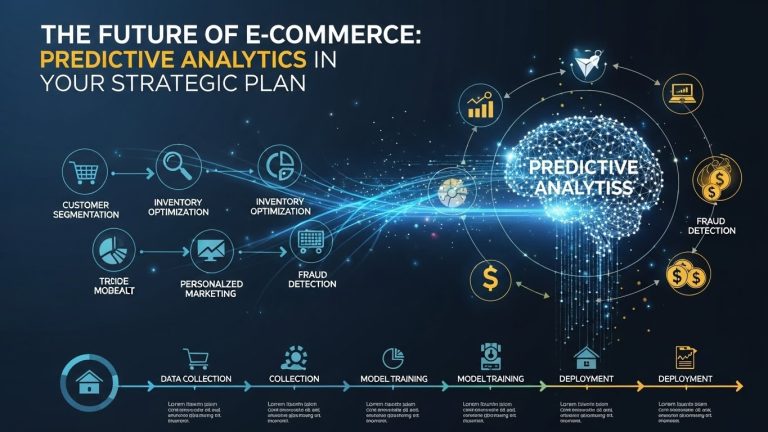
Artificial Intelligence (AI) has become a cornerstone of modern e-commerce, with applications ranging from personalized shopping experiences to inventory management. AI-powered algorithms analyze vast amounts of data to predict consumer preferences and tailor product recommendations accordingly. This not only enhances customer satisfaction but also increases conversion rates by presenting shoppers with products they are more likely to purchase.
AI is also revolutionizing inventory management by optimizing stock levels and reducing the risk of overstocking or stockouts. By predicting demand based on historical data and market trends, AI helps retailers maintain optimal inventory levels, thereby minimizing costs and maximizing profits.
Augmented Reality and Virtual Reality Transformations
Augmented Reality (AR) and Virtual Reality (VR) are reshaping the online shopping experience by bridging the gap between physical and digital retail. AR technology enables customers to visualize products in their real-world environments through their smartphones or tablets, providing a more interactive and engaging shopping experience.

For instance, furniture retailers are using AR to allow customers to see how a piece of furniture would look in their living space before making a purchase. Similarly, VR applications are offering virtual store tours, enabling customers to explore products in a simulated store environment. These technologies enhance customer engagement and reduce return rates by ensuring that customers are satisfied with their purchases before they arrive.
Blockchain Technology: Ensuring Transparency and Security
Blockchain technology is making waves in e-commerce by providing a secure and transparent way to manage transactions and supply chains. By decentralizing data storage and providing a tamper-proof ledger, blockchain ensures that all parties involved in a transaction can trust its integrity.
Retailers are leveraging blockchain to enhance supply chain transparency, enabling customers to track the journey of their purchases from manufacturer to their doorstep. This not only builds trust with consumers but also helps in identifying and addressing inefficiencies within the supply chain.
The Impact of Voice Commerce
Voice commerce is gaining traction as smart speakers and virtual assistants become ubiquitous in households. Consumers are increasingly using voice commands to search for products, make purchases, and manage their shopping lists. This shift towards voice-activated shopping is prompting retailers to optimize their platforms for voice search capabilities.
To capitalize on this trend, retailers are ensuring that their product information is easily accessible via voice commands and that their websites are optimized for voice search SEO. This involves using natural language processing and ensuring that product descriptions are concise yet informative, aligning with the way people typically use voice commands.
Sustainable E-commerce Practices

As consumers become more environmentally conscious, sustainable e-commerce practices are no longer optional but essential for online retailers. Businesses are seeking ways to reduce their carbon footprint and promote eco-friendly products to meet the growing demand for sustainability.
This involves adopting sustainable packaging solutions, optimizing delivery routes to reduce emissions, and promoting products that are environmentally friendly. By aligning with customer values, retailers not only contribute to environmental conservation but also enhance their brand image and customer loyalty.
Conclusion: Adapting to the Future of E-commerce
The rapid pace of innovation in e-commerce presents both challenges and opportunities for online retailers. By embracing technologies like AI, AR, VR, blockchain, and voice commerce, businesses can enhance customer experiences, streamline operations, and differentiate themselves in a competitive market.
As we move forward, the key to success lies in staying informed about emerging trends and being agile enough to adapt to these changes. By doing so, retailers can position themselves at the forefront of the e-commerce revolution, ready to meet the needs of the next generation of consumers.
Embracing Omnichannel Strategies
Omnichannel retailing has become a critical component of successful e-commerce strategies. By seamlessly integrating online and offline channels, retailers can provide a cohesive and flexible shopping experience that meets customers wherever they are. This approach allows consumers to switch between platforms smoothly, whether they start their shopping journey online and complete it in-store or vice versa.

Implementing an omnichannel strategy involves ensuring that inventory data is synchronized across all channels, providing consistent pricing and promotions, and offering services such as click-and-collect or buy online, pick up in-store (BOPIS). By doing so, retailers can enhance customer satisfaction and increase sales by providing more options and convenience.
Data-Driven Personalization
In the age of big data, personalization has become more sophisticated and essential for engaging customers. Retailers are leveraging data analytics to gain insights into consumer behavior and preferences, allowing them to deliver personalized experiences that resonate with individual shoppers.
This can range from personalized product recommendations to targeted marketing campaigns and customized email communications. By harnessing the power of data, retailers can create a more relevant and engaging shopping experience, which can lead to increased customer loyalty and higher conversion rates.
Social Commerce: Leveraging Social Media Platforms
Social commerce is another trend gaining momentum, with social media platforms becoming powerful sales channels. Platforms like Instagram, Facebook, and Pinterest are enabling retailers to integrate shopping features directly into their social media presence, making it easier for consumers to discover and purchase products without leaving the platform.
Retailers are using social media to engage with their audience through interactive content, influencer partnerships, and user-generated content. By doing so, they can build a community around their brand and drive sales through authentic and relatable interactions.
Automation and Robotics in E-commerce
Automation and robotics are transforming the logistics and fulfillment aspects of e-commerce. Automated warehouses, robotic picking systems, and drone deliveries are becoming more prevalent, enabling retailers to improve efficiency and reduce delivery times.

These technologies not only streamline operations but also enhance the overall customer experience by ensuring that orders are processed and delivered quickly and accurately. As automation continues to advance, retailers will be able to scale their operations and meet increasing demand without compromising on service quality.
Preparing for the Future
As the e-commerce landscape continues to evolve, retailers must remain proactive in adopting new technologies and strategies. Staying updated with the latest innovations and being willing to experiment with new approaches will be key to thriving in this dynamic environment.
By prioritizing customer experience, embracing sustainability, and leveraging technology, retailers can position themselves for long-term success. The future of e-commerce is filled with possibilities, and those who are prepared to adapt will be well-equipped to seize the opportunities it presents.
Enhancing Payment Solutions
The evolution of payment solutions is another crucial aspect of modern e-commerce. Consumers today expect a seamless and secure checkout process, which has led to the proliferation of digital wallets, mobile payments, and buy-now-pay-later services. These options provide flexibility and convenience, reducing cart abandonment rates and enhancing customer satisfaction.
Retailers are also adopting advanced security measures such as two-factor authentication and encryption to protect customer data and build trust. By offering a variety of payment options and ensuring secure transactions, online retailers can cater to diverse consumer preferences and foster a sense of security.
The Role of Customer Support Technologies

In the digital era, exceptional customer support is a significant differentiator for e-commerce businesses. Technologies such as chatbots and AI-driven customer service platforms are enabling retailers to provide instant support and resolve queries swiftly. These tools are available 24/7, ensuring that customer concerns are addressed promptly, which can significantly enhance the shopping experience.
Furthermore, integrating customer feedback mechanisms allows businesses to continuously improve their services and address pain points. By prioritizing customer support, retailers can build strong relationships with their customers and encourage repeat business.
Adapting to Regulatory Changes
As e-commerce continues to grow, so does the regulatory landscape that governs it. Retailers must stay informed about changes in data privacy laws, tax regulations, and international trade policies that impact their operations. Compliance with regulations such as the General Data Protection Regulation (GDPR) and the California Consumer Privacy Act (CCPA) is crucial to avoid legal pitfalls and maintain consumer trust.
By staying ahead of regulatory changes, retailers can ensure that their business practices align with legal requirements and demonstrate their commitment to safeguarding customer data and rights.
Conclusion: Navigating the E-commerce Revolution
The world of e-commerce is in a state of continuous transformation, driven by technological advancements and evolving consumer expectations. For online retailers, the ability to embrace change and leverage new innovations is key to thriving in this competitive landscape. By focusing on areas such as personalization, omnichannel strategies, and cutting-edge technologies, businesses can deliver superior customer experiences and foster brand loyalty.
As we look to the future, the e-commerce revolution presents endless opportunities for growth and innovation. Retailers who are prepared to navigate this dynamic environment with agility and foresight will undoubtedly emerge as leaders in the digital marketplace.
About the Author