E-commerce Growth in 2022: An In-Depth Analysis of Recent Market Trends and Predictions
The e-commerce landscape has seen a monumental shift over the past few years, but perhaps none as significant as in 2022. As we delve into the intricacies of this dynamic sector, it’s important to explore the trends that are shaping the industry and what they mean for businesses and consumers alike.
The Surge in Online Shopping
The global pandemic accelerated the growth of e-commerce, pushing consumers and businesses towards a digital-first mindset. In 2022, this trend not only continued but intensified. According to a recent report by Statista, global e-commerce sales are expected to reach $5.5 trillion by the end of the year. This growth is driven by several factors, including increased internet penetration, the convenience of online shopping, and the proliferation of mobile devices.
Mobile Commerce: The New Frontier
Mobile commerce, or m-commerce, has emerged as a dominant force in the e-commerce sector. With smartphones becoming more affordable and accessible, a significant portion of online shopping is now conducted via mobile devices. In 2022, m-commerce is projected to account for nearly 73% of total e-commerce sales. This shift necessitates that businesses optimize their websites for mobile users, ensuring a seamless user experience.
Personalization and Customer Experience
In the competitive world of e-commerce, personalization has become a key differentiator. Companies are leveraging data analytics and AI to offer personalized shopping experiences tailored to individual preferences. This approach not only enhances customer satisfaction but also drives sales and loyalty. Personalized product recommendations, tailored promotions, and customized email marketing are just a few strategies being employed.
The Role of Social Media in E-commerce

Social media platforms have become integral to the e-commerce ecosystem. Platforms like Instagram, Facebook, and TikTok are not only used for marketing but have also become viable sales channels through features like shoppable posts and in-app purchases. In 2022, social commerce is expected to grow by over 30%, driven by the increasing influence of social media on consumer purchasing decisions.
Sustainability: A Growing Concern
As consumers become more environmentally conscious, sustainability has emerged as a significant trend in e-commerce. Shoppers are increasingly favoring brands that demonstrate a commitment to sustainable practices, from eco-friendly packaging to carbon-neutral shipping. In response, many e-commerce companies are adopting sustainable business models and practices to meet consumer demand and reduce their environmental footprint.
Challenges and Opportunities in 2022
Despite the promising growth, the e-commerce industry faces several challenges. Supply chain disruptions remain a major concern, affecting inventory levels and delivery times. Additionally, the rising cost of digital advertising and increased competition pose significant hurdles for businesses.
However, these challenges also present opportunities. Companies that invest in resilient supply chains, innovative marketing strategies, and customer-centric approaches are likely to thrive. Furthermore, the adoption of emerging technologies like augmented reality (AR) and virtual reality (VR) offers new avenues for enhancing the online shopping experience.
Predictions for the Future
Looking ahead, the future of e-commerce appears bright. Experts predict continued growth, with technological advancements further transforming the industry. The integration of AI and machine learning will enable more sophisticated personalization and automation, while blockchain technology could revolutionize supply chain transparency and security.
Moreover, the expansion of cross-border e-commerce presents significant growth potential. As barriers to international trade diminish, businesses can tap into new markets and reach a global audience. According to McKinsey, cross-border e-commerce is expected to grow at a compound annual growth rate (CAGR) of 25% over the next five years.
Takeaways
The e-commerce industry in 2022 is marked by rapid growth and evolution, driven by technological advancements, changing consumer behaviors, and global events. Businesses that can adapt to these changes and embrace new opportunities will be well-positioned for success. As we move forward, it is crucial for companies to remain agile, innovative, and customer-focused to navigate the ever-changing e-commerce landscape.

In summary, the e-commerce sector is poised for continued expansion, with mobile commerce, social media integration, and sustainability playing key roles. By understanding and leveraging these trends, businesses can capitalize on the immense potential of the digital marketplace.
Innovative Payment Solutions
In 2022, the evolution of payment solutions has significantly impacted the e-commerce landscape. Consumers today expect fast, secure, and convenient payment options, which has led to the rise of digital wallets, cryptocurrencies, and Buy Now, Pay Later (BNPL) services. Digital wallets like PayPal, Apple Pay, and Google Pay have become increasingly popular due to their ease of use and enhanced security features.
The introduction of cryptocurrencies as a payment method is another trend gaining traction. While still in its early stages, some e-commerce platforms are beginning to accept Bitcoin and other cryptocurrencies, appealing to a niche market of tech-savvy consumers. The decentralized nature of cryptocurrencies offers a level of security and anonymity that is attractive to both consumers and businesses.
The BNPL model has also gained momentum, offering consumers the flexibility to purchase items and pay for them over time without traditional credit. As highlighted by Business Insider, the BNPL market is expected to grow by over 50% annually, providing a lucrative opportunity for e-commerce businesses to increase sales and attract budget-conscious shoppers.
The Importance of Cybersecurity
With the rise in e-commerce transactions, cybersecurity has become a critical concern for businesses and consumers alike. Data breaches and cyber-attacks can cause significant financial and reputational damage. In 2022, companies are investing heavily in cybersecurity measures to protect sensitive customer information and build trust with their audience.
Encryption, multi-factor authentication, and advanced fraud detection systems are some of the strategies being employed to safeguard online transactions. Additionally, compliance with data protection regulations such as the General Data Protection Regulation (GDPR) is imperative for businesses operating in the global market.

Enhanced Logistics and Fulfillment
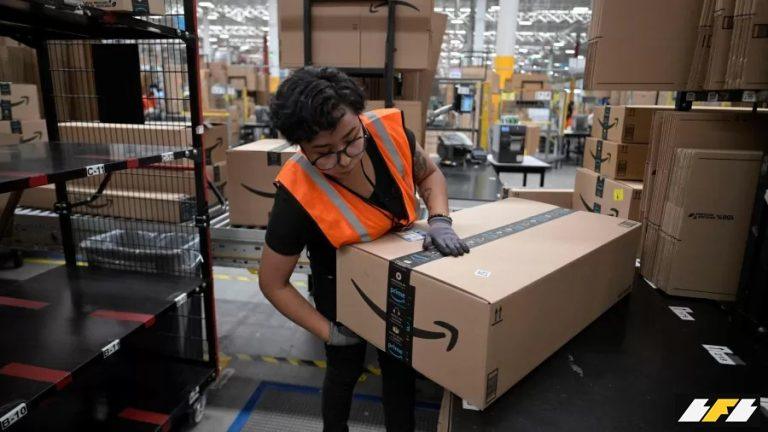
Efficient logistics and fulfillment operations are crucial for the success of e-commerce businesses. In 2022, companies are increasingly focusing on optimizing their supply chains to ensure timely delivery and reduce costs. The rise of same-day and next-day delivery services has set new standards for customer expectations, pushing businesses to invest in advanced logistics technologies.
Automation and robotics are playing a significant role in transforming warehouse operations, improving accuracy, and speeding up the fulfillment process. Moreover, the use of data analytics for demand forecasting is helping businesses manage inventory more effectively, reducing the risk of stockouts and overstocking.
The Rise of Direct-to-Consumer (D2C) Brands
Direct-to-consumer (D2C) brands have gained substantial popularity in recent years, bypassing traditional retail channels to sell directly to customers. This model allows businesses to maintain control over their brand image, customer experience, and pricing strategies. In 2022, the D2C model continues to thrive, particularly among niche markets and younger consumers who value authenticity and unique offerings.
Successful D2C brands often leverage social media and influencer marketing to build strong relationships with their audience. By focusing on transparency and customer engagement, these brands are able to foster loyalty and drive repeat business.
The Impact of Augmented Reality (AR) and Virtual Reality (VR)
Augmented reality (AR) and virtual reality (VR) are transforming the e-commerce shopping experience by allowing consumers to visualize products in a more interactive and immersive way. In 2022, more retailers are adopting AR and VR technologies to enhance product demonstrations, provide virtual try-ons, and create virtual showrooms.
This technological innovation not only improves customer engagement but also reduces return rates by helping buyers make more informed decisions. As these technologies become more sophisticated and accessible, they are likely to become a staple in the e-commerce industry.
Takeaways
As we analyze the e-commerce growth in 2022, it is evident that the industry is experiencing rapid transformation driven by technological advancements, evolving consumer preferences, and innovative business models. The trends discussed in this article highlight the dynamic nature of e-commerce and the opportunities it presents for businesses willing to adapt and innovate.

Moving forward, companies must stay abreast of emerging trends and continuously refine their strategies to remain competitive in the ever-evolving digital marketplace. By embracing new technologies, prioritizing customer experience, and fostering sustainable practices, e-commerce businesses can position themselves for long-term success in a thriving global market.
Navigating Regulatory Challenges
As e-commerce continues to expand globally, regulatory challenges have become more complex. In 2022, businesses must navigate a myriad of regulations that vary by region, including data privacy laws, consumer protection regulations, and cross-border trade policies. Compliance with these regulations is essential to avoid legal repercussions and maintain customer trust.
One of the most significant regulatory challenges is adhering to data protection laws such as the GDPR and the California Consumer Privacy Act (CCPA). These regulations require businesses to implement stringent data protection measures, offer transparency in data handling, and provide consumers with control over their personal information. Non-compliance can result in hefty fines and damage to a company’s reputation.
Moreover, as cross-border e-commerce grows, businesses must contend with tariffs, customs duties, and import/export restrictions. Understanding and complying with these regulations is crucial for smooth international operations. Companies can benefit from partnering with experienced logistics providers or using digital platforms that specialize in cross-border transactions.
Emphasizing Ethical Business Practices
In recent years, there has been a growing emphasis on ethical business practices within the e-commerce industry. Consumers are increasingly holding companies accountable for their social and environmental impact. In 2022, businesses are expected to prioritize ethical sourcing, fair labor practices, and community engagement.
Brands that demonstrate a commitment to ethical practices often enjoy enhanced brand loyalty and a positive public image. For instance, companies that ensure fair wages and safe working conditions for their supply chain partners are more likely to earn the trust of socially conscious consumers. Additionally, those that engage in corporate social responsibility (CSR) initiatives can further differentiate themselves in a crowded market.

Leveraging Big Data and Analytics
Big data and analytics have become indispensable tools for e-commerce businesses aiming to gain a competitive edge. In 2022, the ability to collect, analyze, and act on data insights is more critical than ever. Companies are utilizing analytics to understand customer behavior, optimize marketing strategies, and improve operational efficiency.
Predictive analytics, in particular, allows businesses to anticipate consumer needs and personalize the shopping experience. By analyzing past purchase patterns and browsing behavior, companies can deliver targeted recommendations and promotions, thereby increasing conversion rates and customer satisfaction. Additionally, data-driven insights enable businesses to refine their supply chain operations, ensuring timely delivery and cost-effectiveness.
Fostering a Culture of Innovation
To remain competitive in the fast-paced e-commerce industry, businesses must foster a culture of innovation. This involves encouraging creativity, embracing new technologies, and being willing to experiment with new ideas and business models. In 2022, companies that prioritize innovation are better positioned to adapt to changing market dynamics and consumer preferences.
One way businesses can drive innovation is by investing in research and development (R&D) to explore new products, services, and technologies. Collaboration with startups, technology partners, and academic institutions can also spur innovation and bring fresh perspectives to the table. Furthermore, fostering an organizational culture that encourages risk-taking and learning from failures can lead to breakthrough innovations that differentiate a brand in the marketplace.
Takeaways
In conclusion, the e-commerce industry in 2022 is marked by significant growth, driven by technological advancements, shifting consumer behaviors, and innovative business practices. As we look to the future, businesses must remain agile and forward-thinking to capitalize on the opportunities presented by this dynamic sector.
By focusing on key areas such as mobile commerce, personalization, sustainability, and ethical practices, companies can build strong relationships with consumers and ensure long-term success. As the digital landscape continues to evolve, staying informed about emerging trends and embracing change will be crucial for e-commerce businesses aiming to thrive in an increasingly competitive environment.
About the Author