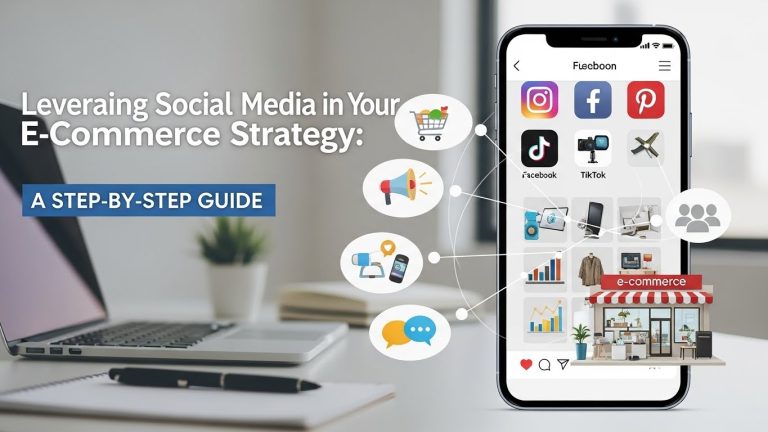
Leveraging Social Media in Your E-commerce Strategy: A Step-by-Step Guide
In the rapidly evolving world of e-commerce, businesses are continually looking for innovative ways to engage customers and drive sales. One of the most effective tools at their disposal is social media. With billions of active users across various platforms, social media offers unparalleled opportunities for businesses to reach and connect with their target audience. In this guide, we will explore how to effectively leverage social media in your e-commerce strategy.
Understanding the Importance of Social Media in E-commerce
Social media has become an integral part of our daily lives, influencing how we communicate, consume information, and make purchasing decisions. For e-commerce businesses, social media is not just a marketing tool; it’s a powerful sales channel. Platforms like Facebook, Instagram, and Pinterest allow businesses to showcase products, engage with customers, and drive traffic to their online stores.
According to Statista, there are over 4.48 billion active social media users worldwide, representing a significant audience for e-commerce brands to tap into. By leveraging the reach and engagement potential of social media, businesses can build brand awareness, foster customer loyalty, and increase sales.
Setting Clear Goals and Objectives
Before diving into social media marketing, it’s essential to establish clear goals and objectives. These will serve as a roadmap to guide your efforts and measure success. Common social media goals for e-commerce businesses include:
- Increasing brand awareness
- Driving website traffic
- Boosting sales and conversions
- Enhancing customer engagement and loyalty
- Building a community around your brand

Once you’ve defined your goals, you can tailor your social media strategy to achieve them. For instance, if your primary objective is to increase sales, you might focus on running targeted ad campaigns and using shoppable posts on platforms like Instagram and Facebook.
Choosing the Right Platforms
Not all social media platforms are created equal. Each has its unique features, user demographics, and engagement styles. Therefore, it’s crucial to choose the platforms that align with your brand and target audience. Here are some popular platforms and their strengths:
- Facebook: Ideal for reaching a broad audience and building a community. Facebook’s robust advertising platform allows for precise targeting and retargeting.
- Instagram: A visual platform perfect for showcasing products through high-quality images and videos. Instagram’s shopping features make it easy for users to make purchases.
- Pinterest: Known for its visual discovery, Pinterest is excellent for driving traffic, particularly for fashion, home decor, and lifestyle products.
- Twitter: Great for real-time engagement and customer interaction. Useful for sharing updates and handling customer service queries.
- LinkedIn: Primarily a B2B platform, LinkedIn is suitable for networking and sharing industry insights.
It’s important to research where your target audience spends most of their time and engage them on those platforms. According to Pew Research Center, different demographics prefer different platforms, so understanding your audience’s preferences is key to successful engagement.
Creating Compelling Content
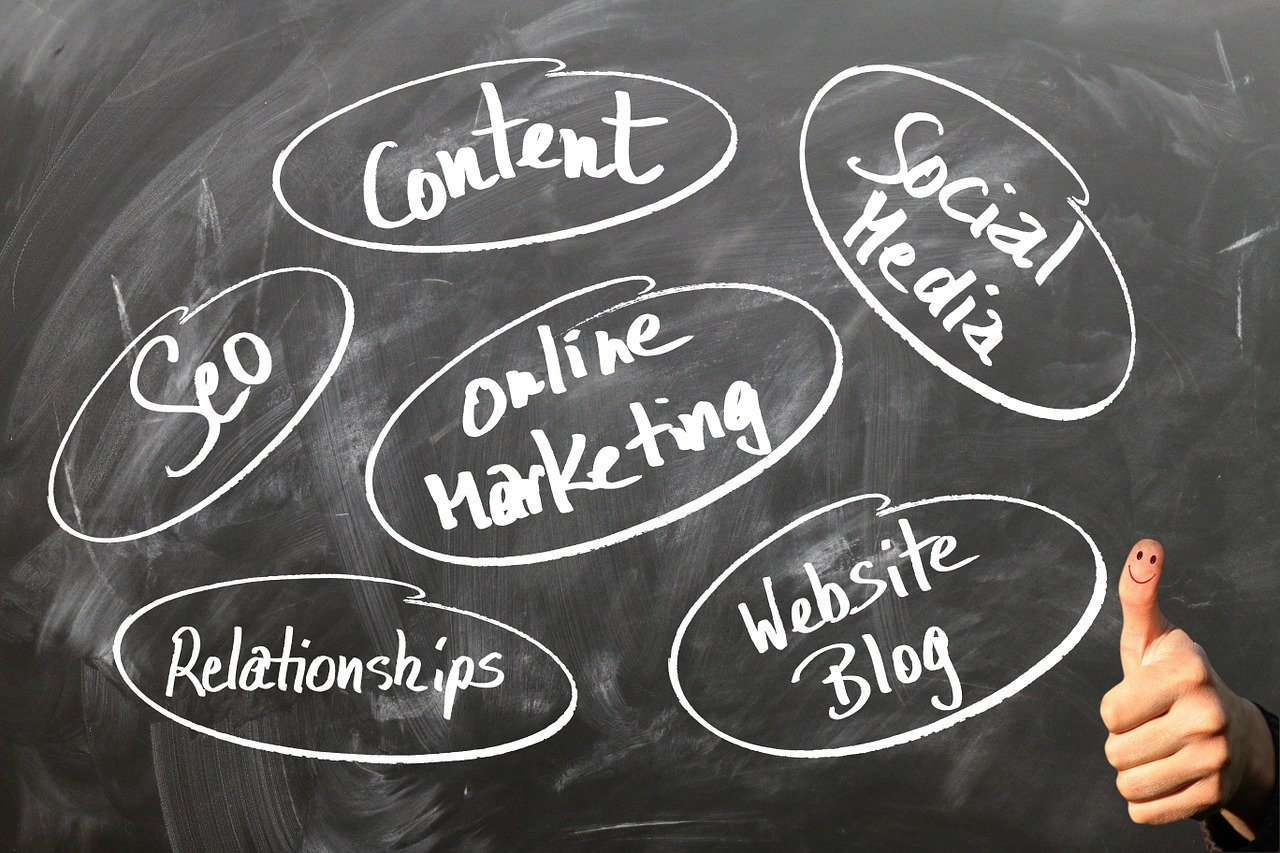
Content is king on social media. To capture the attention of your audience and encourage engagement, you need to create compelling and relevant content. Here are some tips for crafting content that resonates with your audience:
- Visual Appeal: Use high-quality images and videos to showcase your products. Visual content is more likely to be shared and remembered.
- Storytelling: Share the story behind your brand and products. Authentic storytelling helps build emotional connections with your audience.
- Educational Content: Provide value by sharing tips, tutorials, and how-to guides related to your products.
- User-Generated Content: Encourage customers to share their experiences with your products. This type of content adds authenticity and builds trust.
- Interactive Content: Use polls, quizzes, and contests to engage your audience and encourage participation.
Consistency is also crucial. Develop a content calendar to plan and schedule your posts, ensuring a steady stream of content that keeps your audience engaged. According to Content Marketing Institute, consistent content creation is key to building a loyal following.
Engaging with Your Audience
Social media is not a one-way street. It’s a platform for interaction and engagement. To build a loyal community around your brand, you need to actively engage with your audience. Here are some strategies for effective engagement:
- Respond to Comments and Messages: Promptly reply to comments and messages. This shows that you value your customers and are attentive to their needs.
- Encourage Conversations: Ask questions and initiate discussions to encourage dialogue with your audience.
- Host Live Sessions: Live videos are a great way to connect with your audience in real-time, answer questions, and showcase products.
- Collaborate with Influencers: Partnering with influencers can help you reach a broader audience and build credibility.

Engaging with your audience not only builds relationships but also provides valuable insights into customer preferences and feedback, which can inform your marketing strategies.
Measuring Success and Adjusting Strategies
To ensure the effectiveness of your social media efforts, it’s essential to track and measure your performance. Key performance indicators (KPIs) to monitor include:
- Reach and impressions
- Engagement rates (likes, shares, comments)
- Website traffic from social media
- Conversion rates and sales
- Audience growth
Utilize analytics tools provided by platforms like Facebook Insights and Instagram Analytics to gather data and assess your performance. Based on your findings, adjust your strategies to optimize results. For instance, if a particular type of content resonates well with your audience, consider creating more of it.
Takeaways
Social media is a powerful tool that can significantly enhance your e-commerce strategy. By understanding your audience, creating engaging content, and actively interacting with customers, you can build a strong online presence and drive sales. Remember to set clear goals, choose the right platforms, and continuously measure and refine your efforts to achieve success. For further insights into maximizing your social media impact, explore resources like Social Media Examiner to stay updated on the latest trends and strategies.
Integrating Social Media with Your E-commerce Platform

To maximize the impact of social media on your e-commerce strategy, it’s crucial to integrate these platforms with your online store. Here’s how you can achieve seamless integration:
- Social Media Buttons: Add social media buttons to your website to make it easy for visitors to share your products and content with their networks.
- Shoppable Posts: Platforms like Instagram and Facebook offer features that allow users to purchase products directly from posts. Make sure your product catalog is set up to take advantage of these features.
- Social Login: Enable social login options on your site to streamline the registration and checkout process, reducing friction and improving conversion rates.
- Embed Social Feeds: Display a live feed of your social media activity on your website to keep it dynamic and showcase user-generated content.
These integrations not only enhance the shopping experience but also bridge the gap between social media engagement and actual sales. By creating a cohesive ecosystem, you encourage customers to interact with your brand seamlessly across different channels.
Utilizing Social Media Advertising
While organic reach on social media is valuable, advertising can amplify your efforts significantly. Social media platforms offer advanced targeting options that allow you to reach specific segments of your audience based on demographics, interests, and behaviors. Here’s how to effectively use social media advertising:
- Define Your Audience: Use the detailed targeting options to reach the people most likely to be interested in your products.
- Create Compelling Ads: Design visually appealing ads with clear calls to action (CTAs) to capture attention and drive clicks.
- Retargeting Campaigns: Implement retargeting strategies to reach users who have previously interacted with your brand but haven’t converted.
- A/B Testing: Continuously test different ad formats, visuals, and messaging to determine what resonates best with your audience.
Social media advertising can be a cost-effective way to increase brand visibility and generate sales. To get started, explore resources like Facebook’s Ads Guide for detailed instructions on creating and optimizing ads.
Staying Updated with Social Media Trends

The social media landscape is constantly changing, with new features, algorithms, and trends emerging regularly. To maintain a competitive edge, it’s essential to stay informed and adapt your strategy accordingly. Here are some ways to keep up with social media trends:
- Follow Industry Publications: Subscribe to leading social media blogs and publications to stay updated on the latest developments and best practices.
- Join Online Communities: Engage with social media marketing communities on platforms like LinkedIn and Reddit to exchange insights and experiences.
- Attend Webinars and Conferences: Participate in webinars and industry conferences to learn from experts and network with peers.
- Experiment with New Features: Be open to experimenting with new features and formats offered by social platforms, such as Reels on Instagram or Stories on Facebook.
By staying informed and agile, you can capitalize on emerging trends and maintain a dynamic and effective social media presence.
Conclusion: The Power of Social Media in E-commerce
Integrating social media into your e-commerce strategy is no longer optional; it’s a necessity. With the right approach, social media can enhance brand visibility, foster customer relationships, and significantly boost sales. By setting clear goals, choosing the right platforms, creating engaging content, and leveraging advertising, businesses can unlock the full potential of social media. Additionally, staying updated with trends and integrating social media with your e-commerce platform will ensure that you remain competitive in the ever-evolving digital landscape.
As you embark on this journey, remember that success in social media marketing requires consistency, creativity, and a willingness to adapt. Explore resources such as HubSpot to deepen your understanding and refine your strategies. By doing so, you’ll be well-equipped to harness the power of social media to drive your e-commerce success.
About the Author