Understanding Your Customers: How to Develop a Successful E-commerce Strategy
In the dynamic world of e-commerce, understanding your customers is not just beneficial — it’s essential. A successful e-commerce strategy hinges on knowing who your customers are, what they want, and how they behave online. This understanding informs everything from product selection to marketing strategies and customer service practices. In this comprehensive guide, we will delve into the crucial aspects of developing an e-commerce strategy that resonates with your target audience and drives success.
The Importance of Customer Understanding
Understanding your customers goes beyond knowing their basic demographics. It involves getting to the core of their needs, preferences, and pain points. This deep understanding allows businesses to tailor their offerings and interactions to meet the specific desires of their audience, leading to enhanced customer satisfaction, loyalty, and ultimately, increased sales.
According to a study by McKinsey & Company, personalization can deliver five to eight times the ROI on marketing spend and lift sales by 10% or more. This underscores the tremendous value of customer understanding in creating personalized experiences that can substantially impact your bottom line.
Conducting Thorough Market Research

Market research is the cornerstone of understanding your customers. It provides insights into the competitive landscape, industry trends, and consumer behaviors. Here are some steps to conduct effective market research:
- Define Your Objectives: Start by setting clear goals for your research. Are you looking to understand consumer behavior, identify market trends, or evaluate competition? Knowing your objectives will guide your research process.
- Choose Your Research Methods: Utilize a combination of qualitative and quantitative research methods. Surveys, interviews, focus groups, and customer feedback forms are excellent for gathering qualitative insights. For quantitative data, consider using analytics tools to track consumer behaviors and preferences.
- Analyze Competitors: Study your competitors to understand their strategies and identify gaps in the market. Tools like SimilarWeb can provide comprehensive insights into competitors’ web traffic and marketing strategies.
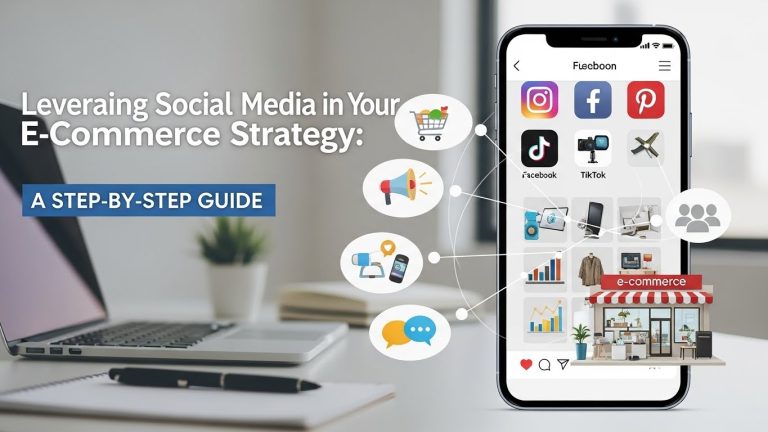
- Use Social Listening: Monitor social media platforms to see what customers are saying about your brand and industry. This real-time feedback can offer valuable insights into customer opinions and emerging trends.
Developing Customer Personas
Customer personas are fictional characters that represent different segments of your target market. They are detailed profiles that include demographic information, behaviors, motivations, and challenges. Developing customer personas helps you visualize your customers as real people and tailor your strategies accordingly.
To create accurate personas, gather data from your market research, customer feedback, and analytics. Include details such as:
- Demographics: Age, gender, location, income level, and education.
- Behavioral Patterns: Online shopping habits, preferred channels, and technology usage.
- Goals and Challenges: What are their primary objectives, and what obstacles do they face in achieving them?
- Interests and Values: What are their hobbies, passions, and values?
By aligning your e-commerce strategy with these personas, you can create targeted marketing campaigns, develop products that resonate with your audience, and improve customer experiences across the board.
Crafting a Personalized Customer Experience

A personalized customer experience is pivotal in today’s e-commerce landscape. With the rise of digital commerce, consumers expect a seamless, personalized experience across all touchpoints. Here’s how you can craft a personalized journey for your customers:
- Utilize Data and Analytics: Leverage data analytics to understand customer behaviors and preferences. Tools like Google Analytics and Mixpanel can provide insights into user interactions and help you tailor experiences accordingly.
- Implement Personalized Marketing: Use targeted email campaigns, personalized product recommendations, and dynamic website content to engage customers with relevant messages and offers.
- Enhance Customer Service: Train your customer service team to provide personalized support. Use CRM systems to store customer information and history for more personalized interactions.
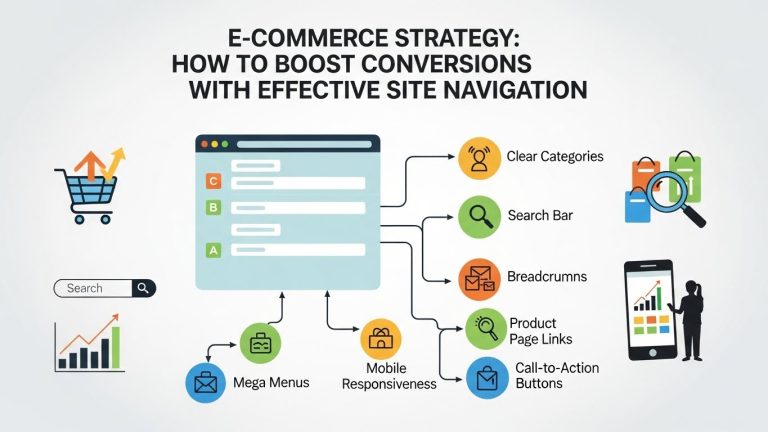
- Optimize the User Experience: Ensure your website is user-friendly and optimized for mobile devices. Simplify the checkout process and make navigation intuitive to enhance the overall shopping experience.
Leveraging Technology for Better Understanding
Technology plays a crucial role in understanding customers and enhancing e-commerce strategies. Here are some ways technology can aid in this endeavor:
- AI and Machine Learning: Use AI-driven tools to analyze customer data and predict future behaviors. Machine learning algorithms can provide insights into purchasing patterns and help in developing targeted marketing strategies.
- Customer Relationship Management (CRM) Systems: Implement CRM systems to store and analyze customer data. This enables businesses to track interactions, manage relationships, and personalize customer engagement.
- Chatbots and Virtual Assistants: Deploy chatbots to provide instant assistance and gather customer feedback. These tools can improve customer service and gather valuable data on customer inquiries and issues.
- Social Media Analytics: Use social media analytics tools to monitor customer interactions and sentiments. Platforms like Hootsuite offer insights into customer preferences and trends.

Implementing Feedback Loops
Feedback loops are essential for continuous improvement and adaptation in e-commerce. They allow businesses to gather insights directly from customers and refine their strategies accordingly. Here’s how to implement effective feedback loops:
- Solicit Customer Feedback: Use surveys, feedback forms, and reviews to gather customer opinions and suggestions. Encourage honest feedback by offering incentives or rewards.
- Analyze Feedback: Regularly review and analyze customer feedback to identify trends and areas for improvement. Use this data to make informed decisions and enhance your offerings.
- Implement Changes: Act on customer feedback by making necessary changes to your products, services, or website. Communicate these changes to your customers to show that their opinions are valued.
- Close the Loop: Follow up with customers to let them know how their feedback has been used and the impact it has had. This builds trust and encourages ongoing engagement.
Conclusion: Building a Customer-Centric E-commerce Strategy
In conclusion, understanding your customers is the foundation of a successful e-commerce strategy. By conducting thorough market research, developing customer personas, crafting personalized experiences, leveraging technology, and implementing feedback loops, businesses can create a strategy that meets the needs of their audience and drives long-term success.
Remember, the e-commerce landscape is continually evolving, and staying ahead requires a deep understanding of your customers and a commitment to adapting your strategies to meet their changing needs. By prioritizing customer understanding, you position your business for growth and success in the competitive world of e-commerce.
Future Trends in E-commerce Strategy
As the e-commerce landscape continues to evolve, it’s crucial for businesses to stay abreast of emerging trends that can impact their strategy. Here are some future trends to consider as you refine your e-commerce strategy:
- Voice Commerce: With the growing popularity of smart speakers and voice assistants, voice commerce is set to transform how customers search for and purchase products. Businesses should optimize their online presence for voice search to remain competitive.
- Augmented Reality (AR): AR technology allows customers to visualize products in their own environment, bridging the gap between online and offline shopping experiences. Implementing AR can enhance product visualization, improve customer engagement, and reduce returns.
- Sustainability: Increasingly, consumers are prioritizing sustainability and ethical practices in their purchasing decisions. Businesses can gain a competitive edge by adopting sustainable practices and offering eco-friendly products.
- Subscription Models: Subscription models offer a steady revenue stream and foster customer loyalty. Consider incorporating subscription options for products that lend themselves to repeat purchases.
- Blockchain Technology: Blockchain offers enhanced security and transparency, especially in payment processing and supply chain management. As blockchain technology becomes more accessible, it may revolutionize these aspects of e-commerce.
Case Studies: Successful E-commerce Strategies
To further illustrate the impact of customer understanding on e-commerce success, let’s look at two real-world examples:
Case Study 1: Amazon’s Customer-Centric Approach
Amazon, a leader in e-commerce, exemplifies how a customer-centric approach can drive success. By leveraging data analytics and customer feedback, Amazon continuously enhances its user experience. Features like personalized recommendations, one-click purchasing, and efficient delivery options are all designed to meet customer needs. This focus on customer satisfaction has helped Amazon maintain its dominant position in the market.

Case Study 2: Warby Parker’s Direct-to-Consumer Model
Warby Parker disrupted the eyewear industry with its direct-to-consumer model and focus on customer experience. By eliminating intermediaries, Warby Parker offers high-quality eyewear at affordable prices. Their innovative Home Try-On program allows customers to try frames before purchasing, addressing a common pain point in online eyewear shopping. This customer-first strategy has fueled Warby Parker’s rapid growth and success.
Actionable Steps for E-commerce Success
To conclude, here are actionable steps you can take to develop a successful e-commerce strategy centered around customer understanding:
- Invest in Data Analytics: Utilize data analytics tools to gain insights into customer behaviors and preferences. This will inform your product offerings, marketing strategies, and customer engagement efforts.
- Focus on Personalization: Implement personalized marketing and customer service practices to create a more engaging and relevant experience for your customers.
- Stay Agile: E-commerce is constantly evolving, so be prepared to adapt your strategy to changing trends and customer expectations.
- Enhance Customer Engagement: Use social media, email marketing, and other channels to engage with your customers and build a loyal community around your brand.
- Prioritize Customer Feedback: Regularly solicit and act on customer feedback to improve your products and services, demonstrating that you value your customers’ opinions.
By following these steps and maintaining a focus on customer understanding, you can develop an e-commerce strategy that not only meets the needs of your audience but also positions your business for long-term success in a competitive market.
For more insights on developing successful e-commerce strategies, consider exploring resources from Forrester Research and Gartner. These organizations provide valuable research and analysis on trends and strategies in the digital commerce space.
About the Author