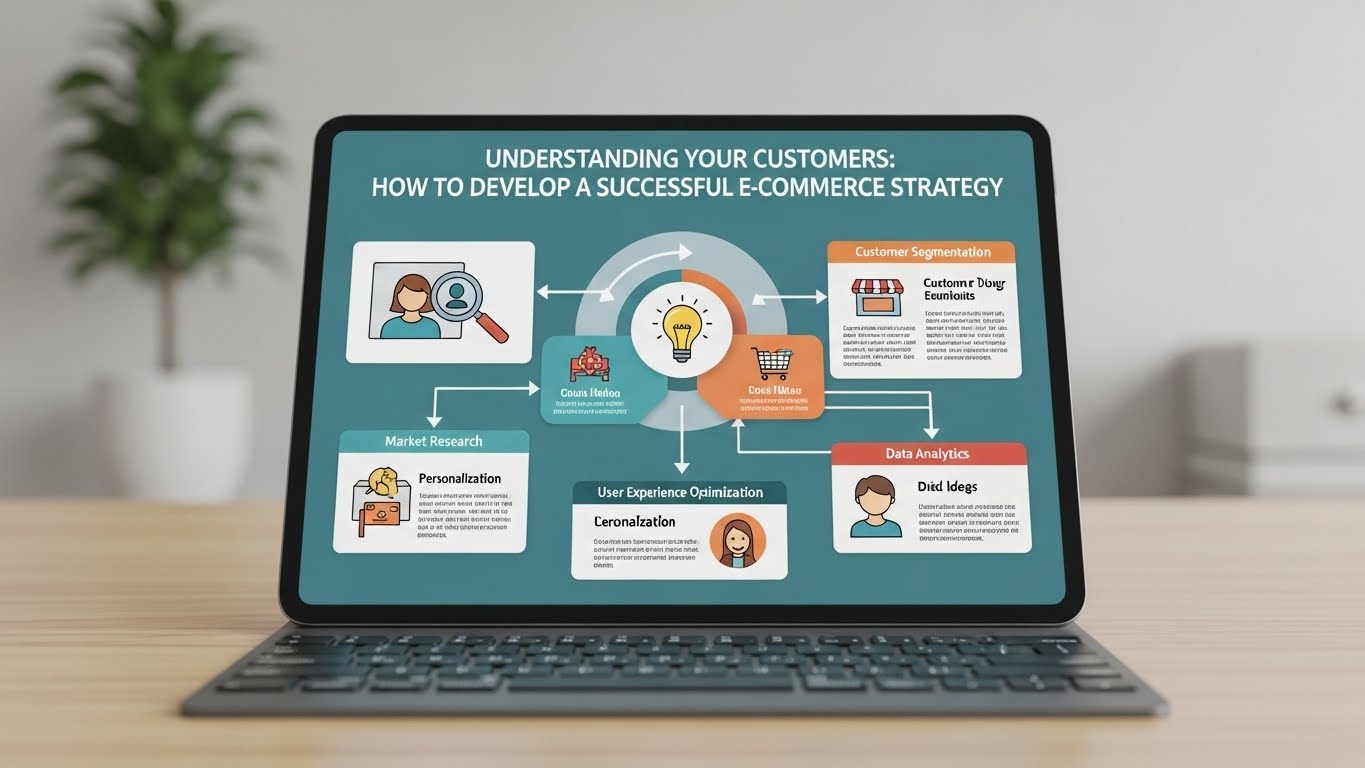
Understanding Your Customers: How to Develop a Successful E-commerce Strategy
In the fast-paced world of digital commerce, understanding your customers is paramount to developing a successful e-commerce strategy. With the rise in online shopping, businesses must tailor their approaches to meet the ever-evolving needs and preferences of their audience. This comprehensive guide will help you delve into the art of understanding your customers and craft an e-commerce strategy that not only attracts but retains your target market.
The Importance of Customer Understanding
The foundation of any successful e-commerce strategy lies in a deep understanding of your customers. By comprehending who your customers are, what they want, and how they behave, you can tailor your offerings and communication to better meet their needs. This understanding translates to improved customer satisfaction, increased loyalty, and ultimately, higher sales.
One key element in understanding your customers is recognizing the value of buyer personas. Buyer personas are semi-fictional representations of your ideal customers based on data and research. These personas help you visualize your audience, guiding your marketing and product development efforts towards a more focused and effective direction.
Conducting Market Research
Market research is a critical step in understanding your customers. It involves collecting and analyzing data about your target market and competitors. This information can help you identify trends, understand customer behavior, and discover opportunities for growth.
There are several methods to conduct market research:
- Surveys and Questionnaires: These are effective tools for gathering feedback directly from your customers. By asking targeted questions, you can gain insights into customer preferences, purchasing habits, and satisfaction levels.
- Focus Groups: Focus groups provide a more in-depth understanding of customer attitudes and perceptions. They allow for open discussions where you can gather qualitative data and observe body language and reactions.
- Competitor Analysis: Analyzing your competitors can reveal market gaps and opportunities. By understanding what your competitors are doing well or poorly, you can adjust your strategy accordingly.
Once you have gathered your market research data, it’s essential to analyze and interpret it. Identify patterns and trends that will inform your e-commerce strategy. This data-driven approach ensures that your decisions are based on factual insights rather than assumptions.
Personalizing the Customer Experience
Personalization is a powerful tool in today’s e-commerce landscape. Customers expect personalized experiences that cater to their unique needs and preferences. By leveraging data and technology, you can create a personalized shopping experience that enhances customer satisfaction and encourages repeat purchases.
There are several ways to personalize the customer experience:
- Product Recommendations: Use algorithms to suggest products based on customer behavior and preferences. Recommender systems can significantly increase the likelihood of conversion by showing customers items they are interested in.
- Email Marketing: Personalize email content by addressing customers by their name and recommending products based on their purchase history. This tailored approach increases engagement and builds a stronger connection with your audience.
- Customized Offers and Discounts: Offering personalized discounts or promotions can entice customers to complete a purchase. Consider loyalty programs that reward customers based on their buying behavior.
The goal of personalization is to make your customers feel valued and understood, leading to increased loyalty and long-term success.
Optimizing the User Experience
A seamless user experience (UX) is crucial for the success of your e-commerce strategy. A well-designed website that is easy to navigate and visually appealing can significantly impact customer satisfaction and conversion rates.

Consider the following elements to optimize your user experience:
- Mobile Responsiveness: With the increasing use of mobile devices for online shopping, ensure that your website is mobile-friendly. A responsive design adapts to different screen sizes, providing a consistent experience across all devices.
- Fast Load Times: Slow-loading websites can frustrate customers and lead to high bounce rates. Optimize your website’s performance by compressing images, leveraging browser caching, and minimizing server requests.
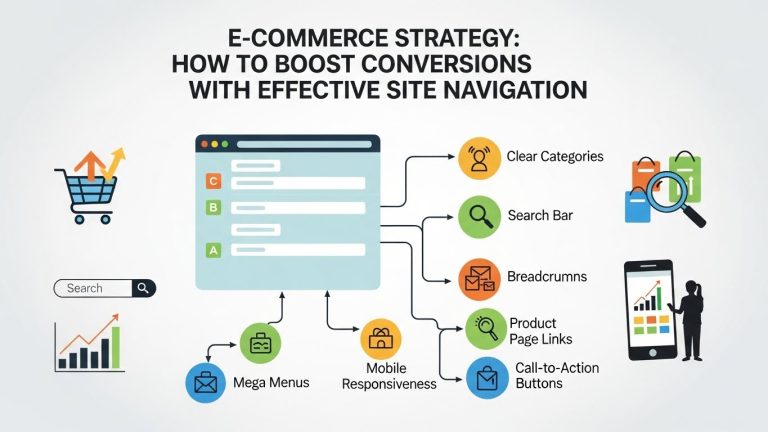
- Intuitive Navigation: Make it easy for customers to find what they are looking for by organizing your website logically. Use clear categories, filters, and search functionality to enhance the browsing experience.
- Secure Checkout Process: Ensure that your checkout process is secure and straightforward. Provide multiple payment options and minimize the number of steps required to complete a purchase.
By prioritizing user experience, you can reduce barriers to purchase and create a positive impression that encourages customers to return.
Leveraging Data Analytics
Data analytics is a powerful tool for understanding your customers and optimizing your e-commerce strategy. By analyzing customer data, you can gain insights into their behavior, preferences, and purchasing patterns.
Here are some key areas where data analytics can enhance your strategy:
- Customer Segmentation: Divide your customer base into distinct segments based on demographics, behavior, and preferences. This segmentation allows you to tailor your marketing efforts to specific groups, increasing the effectiveness of your campaigns.
- Sales Analysis: Analyze sales data to identify trends, such as peak purchasing times or popular products. This information can guide inventory management and promotional strategies.
- Customer Lifetime Value (CLV): Calculate the CLV to understand the long-term value of each customer. Focusing on increasing the CLV can lead to higher profitability and sustainable growth.
Data-driven decision-making ensures that your e-commerce strategy is grounded in reality, enabling you to make informed adjustments that drive success.
Building Customer Relationships
Building strong relationships with your customers is essential for long-term success. By fostering trust and loyalty, you can create a community of brand advocates who support and promote your business.
Consider the following strategies to strengthen customer relationships:
- Exceptional Customer Service: Provide responsive and helpful customer support that exceeds expectations. Address inquiries and concerns promptly to build trust and demonstrate your commitment to customer satisfaction.
- Engaging Content: Create valuable and engaging content that resonates with your audience. Use blogs, social media, and videos to connect with your customers and provide meaningful information.
- Feedback and Reviews: Encourage customers to leave feedback and reviews. Listen to their suggestions and make improvements based on their input. Positive reviews can enhance your brand’s reputation and attract new customers.
Building lasting relationships requires consistent effort and a genuine commitment to understanding and meeting your customers’ needs.
Conclusion: Crafting a Customer-Centric E-commerce Strategy
Understanding your customers is the cornerstone of a successful e-commerce strategy. By conducting thorough market research, personalizing the customer experience, optimizing user experience, leveraging data analytics, and building strong relationships, you can create a strategy that resonates with your audience and drives growth.
Remember, the digital landscape is constantly evolving, and staying attuned to your customers’ preferences and behaviors is key to remaining competitive. By placing your customers at the center of your strategy, you can create a thriving e-commerce business that stands the test of time.
Embracing Technology and Innovation

To stay competitive in the ever-evolving e-commerce landscape, businesses must embrace technology and innovation. The integration of cutting-edge technologies can enhance the shopping experience, streamline operations, and provide valuable insights into customer behavior.
Here are some technologies that can elevate your e-commerce strategy:
- Artificial Intelligence (AI): AI can be used to analyze large volumes of data, personalize customer interactions, and automate customer service through chatbots. For example, AI can examine browsing history to recommend products, enhancing the personalization of the shopping experience.
- Augmented Reality (AR): AR allows customers to visualize products in their own environment before making a purchase. This technology is particularly valuable in industries like fashion and home decor, where seeing an item in context can drive purchase decisions.
- Blockchain: Blockchain technology can enhance security and transparency in transactions. It can be used to provide verified product origins, secure payments, and protect customer data.
By leveraging these technologies, businesses can not only improve operational efficiency but also provide a superior customer experience that aligns with the expectations of modern shoppers.
Adapting to Trends and Consumer Behavior
The e-commerce industry is characterized by rapid changes and emerging trends. Keeping abreast of these trends is crucial for businesses that wish to remain relevant and competitive. Understanding shifts in consumer behavior can help you adapt your strategy to meet new demands.
Consider the following trends:
- Mobile Commerce: The increasing use of smartphones for shopping requires businesses to optimize their sites for mobile users. Ensure that your website is responsive and mobile-friendly to cater to this growing segment of shoppers.
- Sustainability: Consumers are becoming more environmentally conscious and prefer to support brands that prioritize sustainability. Consider adopting sustainable practices in your operations, sourcing, and packaging to appeal to eco-conscious customers.
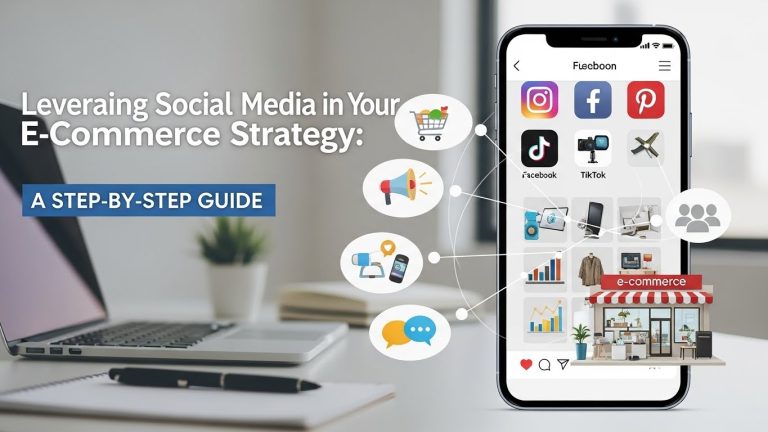
- Social Commerce: Social media platforms are increasingly being used as shopping channels. Leverage platforms like Instagram and Facebook to showcase products and facilitate purchases directly from social media.

By staying informed and responsive to these trends, businesses can align their e-commerce strategies with consumer expectations and preferences, ensuring continued success.
Measuring Success and Continuous Improvement
Implementing a successful e-commerce strategy requires continuous monitoring and improvement. By regularly evaluating your performance, you can identify areas for enhancement and make data-driven decisions to optimize your strategy.
Here are some key performance indicators (KPIs) to track:
- Conversion Rate: This metric measures the percentage of visitors who make a purchase. Analyzing conversion rates can help identify barriers to purchase and areas for improvement.
- Customer Acquisition Cost (CAC): CAC indicates the cost of acquiring a new customer. Reducing this cost can improve profitability and enhance the efficiency of your marketing efforts.
- Retention Rate: Customer retention is a critical factor in long-term success. Monitoring retention rates can help you assess the effectiveness of your loyalty programs and customer engagement strategies.
By consistently measuring these KPIs, you can ensure that your e-commerce strategy remains effective and aligned with your business goals. Additionally, fostering a culture of continuous improvement encourages innovation and adaptation, keeping your business competitive in a dynamic market.
Conclusion: The Path to E-commerce Success
In conclusion, developing a successful e-commerce strategy requires a comprehensive understanding of your customers, a commitment to innovation, and a willingness to adapt to changing trends. By placing your customers at the heart of your strategy, embracing technology, and continuously measuring performance, you can create a thriving e-commerce business poised for sustained growth.
Remember, the journey to e-commerce success is ongoing. Stay curious, stay informed, and never lose sight of the importance of understanding and serving your customers. With dedication and strategic planning, your e-commerce business can flourish in the competitive digital landscape.
About the Author